7 Tips to Improve Snoring!
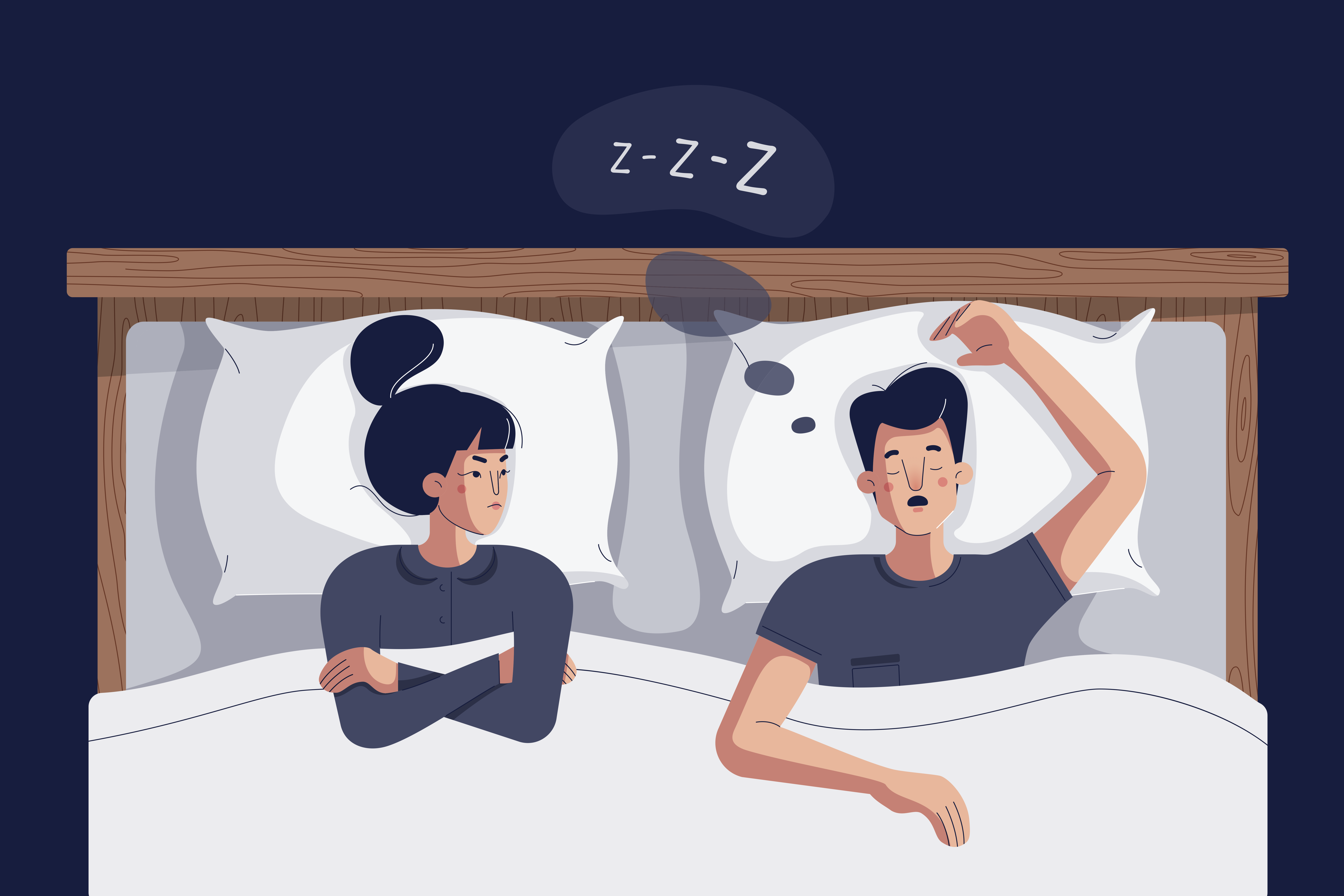
Do You Have a Snoring Problem Too?
For most people, occasionally snoring during sleep is very normal, especially when they have a cold or after having a few drinks at a gathering before going to bed.
What if the snoring is chronic (like millions of other Americans)? Does it still not matter, or is it actually a symptom indicating that you might have developed a debilitating sleep disorder?
According to data from the American Academy of Otolaryngology-Head and Neck Surgery, 45% of people in the United States snore occasionally, and a quarter of adults are chronic snorers. Furthermore, an estimated 18 million people suffer from Obstructive Sleep Apnea (OSA), a condition often associated with a series of health problems, including obesity, heart disease, diabetes, and hypertension.
There is a Big Difference Between Snoring and OSA
Many times, people cannot tell the difference between snoring and OSA and may even mistakenly believe there is no difference between the two. The truth is, although all untreated OSA patients snore, not everyone who snores suffers from OSA.
Snoring is a sound caused by vibration during breathing and is the result of a partial blockage of the airway in the oral cavity, nasal cavity, or throat.
Snoring can be caused by many different factors, including: - Sinusitis or colds - Allergies - Alcohol - Deviated nasal septum - Insufficient muscle tone - Throat and airway obstruction
OSA is a sleep disorder. It involves intermittent cessation of breathing caused by airway obstruction during sleep.
Apneas lead to sleep disturbance, sleep interruption, and sleep deprivation. Moreover, a lack of restful sleep can also trigger a cascade of other health issues, such as extreme daytime sleepiness, difficulty concentrating, depression, and anxiety.
Snoring, on the other hand, is a symptom of OSA.
Conducting a Sleep Study to Diagnose OSA
If you want to confirm whether you have OSA, a preliminary assessment of your symptoms and OSA risk factors might be helpful, but the most accurate method is still to meet with a doctor for a thorough diagnosis and subsequent treatment.
In most cases, the physician will first evaluate your relevant symptoms and medical history before referring you to a sleep medicine specialist. The sleep medicine specialist will evaluate the following: 1. Your symptoms 2. Your medical history 3. Your current physical health condition 4. Your sleep study results
Through a sleep study, the sleep medicine specialist will analyze your sleep patterns as well as any abnormal physical reactions that occur during sleep.
A sleep study can be conducted at a sleep center or at home. It will record your vital signs, blood oxygen saturation index, oral and nasal breathing flow, brain activity, chest and abdominal breathing movements, and record your snoring sound.
The purpose of a sleep study is not only to diagnose whether you have OSA but also to determine the severity of your condition. Additionally, through the sleep study and a physical examination, the cause of your OSA can be determined, such as whether it is caused by enlarged tonsils or other obstructions in the body.
Seven Tips to Improve Snoring:
- If you are overweight (BMI > 25), losing weight is a highly effective method.
- Sleep on your side.
- Use nasal strips or external nasal dilators.
- Treat nasal congestion or blockage.
- Limit or avoid alcohol consumption and sedatives.
- Quit smoking.
- Get enough sleep.
If Snoring is Affecting Your Life, Please Seek a Solution
It is crucial to understand that even if you are diagnosed as not having sleep apnea, snoring can still negatively impact your partner, your sleep and rest, and your overall health.
Whether your snoring is caused by sleep apnea or not, you should discuss your condition with a physician and seek a formal diagnosis and effective treatment so that your health can improve.
The content is based on the professional experience of physicians. Results may vary depending on individual conditions. Please consult a healthcare professional for personalized medical advice.