No Need for Snoring Treatment: 9 Tips to Improve Snoring
Causes of Snoring
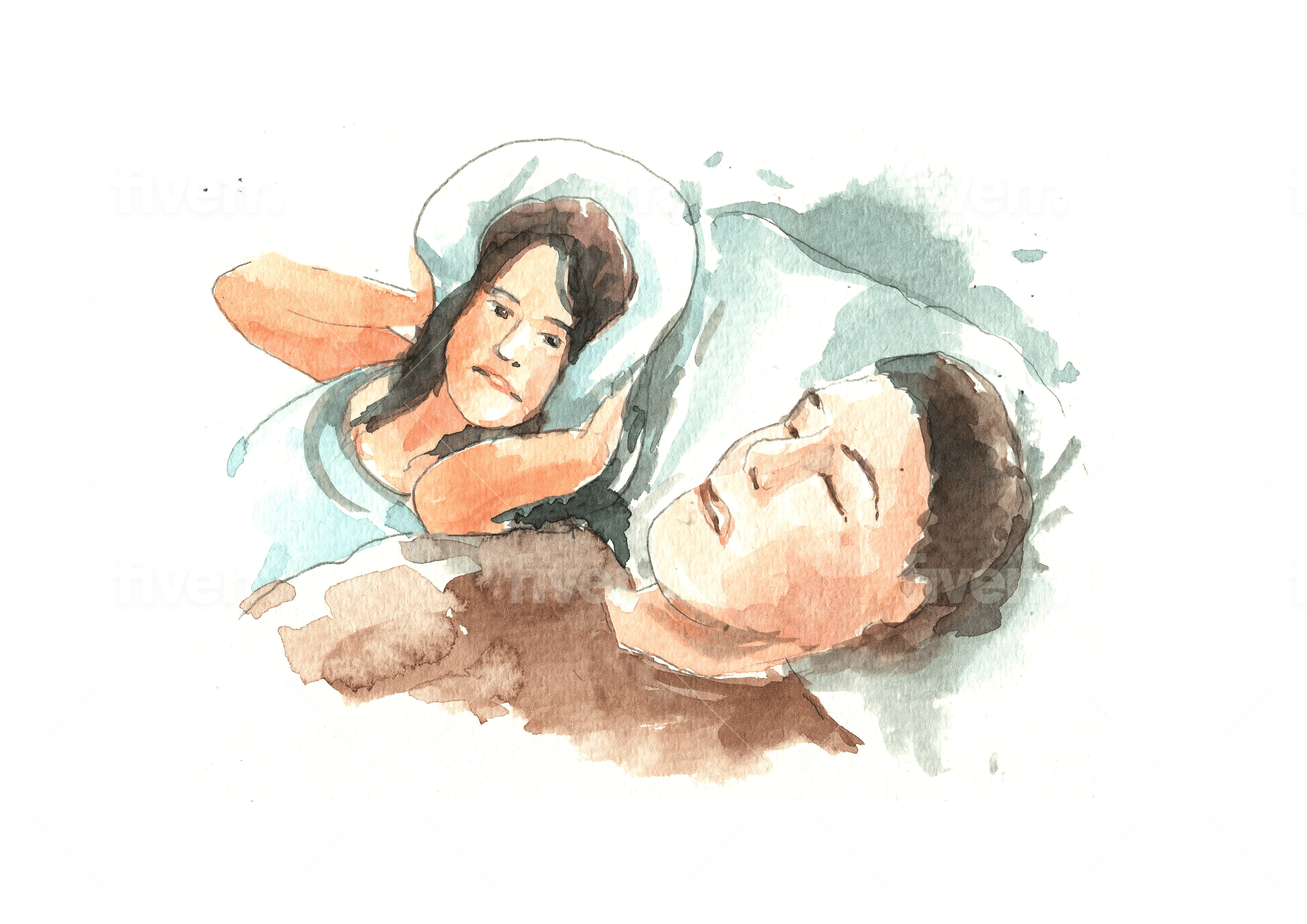
If the airflow during breathing causes the tissues at the back of the throat to vibrate, it will produce a snoring sound. Snoring can occur at any stage of sleep and usually happens during inhalation, passing through the nose, mouth, or both together.
Is it normal to snore frequently during sleep? Everyone occasionally snores due to extreme fatigue, and occasional snoring is usually nothing to worry about. But if it happens frequently, it might not be a minor issue but a warning sign. Snoring can disrupt sleep quality, leading to daytime fatigue, lack of energy, irritability, and numerous health problems.
According to statistics, about half of the population snores. It is more common in men, but many women also snore. Snoring seems to be hereditary and tends to become more prevalent with age.
About 40% of adult men and 24% of adult women are habitual snorers. However, for men, the incidence of snoring decreases after the age of 70.
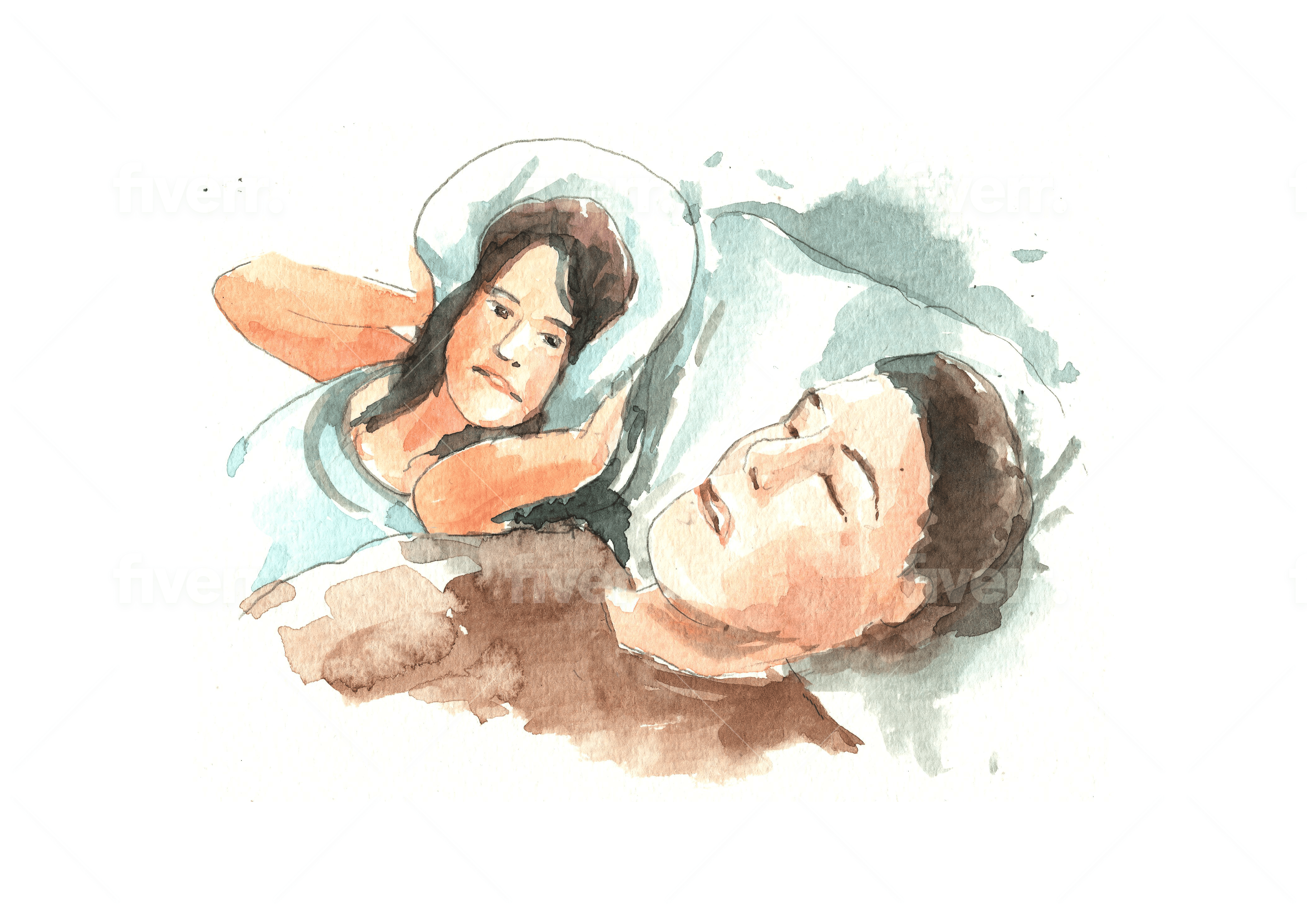
Snoring can cause severe distress, sleep deprivation, and tension in intimate relationships for the bed partner and even people in the next room.
After all, for the "victim," snoring is prolonged mental torture. However, in most cases, the "perpetrator" is usually unaware that they snore. If the snoring keeps a bed partner or family members awake night after night, it can also cause a major crisis in family relationships.
9 Effective Tips to Improve Snoring
The internet is flooded with various anti-snoring gadgets. Unfortunately, most of these anti-snoring devices lack medical research support. Many are even based on false myths or practices that could lead to more severe side effects.
Sleeping in separate rooms is no longer the only solution. Here are some methods on how to prevent snoring, which can help those troubled by mild snoring. However, it's important to note that not every method works for everyone, so try different solutions.
1. Sleep Aids
Try changing your sleep posture. There are specially designed anti-snoring pillows on the market that ensure the neck muscles are not overly flexed. The principle is to elevate the head by about four inches and encourage the tongue and jaw to move forward, which may alleviate the situation for some people.
2. Sleep on Your Side Rather Than Your Back
You can try attaching a tennis ball to the back of your pajama top or T-shirt (you can sew a sock onto the back of the shirt and place the tennis ball inside). If your body shifts to sleep on its back, the discomfort from the tennis ball will force you to turn on your side.
Alternatively, sew a pillow stuffed with tennis balls behind your pillow. Over time, your body's reaction to sleep on its side will naturally become a habit. If you find this tip too troublesome, try using a pillow specially designed for side sleeping.
3. Clear Nasal Passages
If your nose is prone to congestion, you can rinse your sinuses with saline before going to bed. Using a nasal irrigator, nasal decongestants, or nasal strips can also help you breathe more easily during sleep.
However, if it's due to allergic rhinitis, please reduce dust mites and pet dander in the bedroom, or use allergy medication. Try using a vacuum cleaner specifically designed for dust mites every 2 to 3 days.
4. Keep Bedroom Air Well-Ventilated and Dry
Taiwan's hot and humid climate is suitable for the growth of highly allergenic organisms like dust mites and mold. Maintaining indoor ventilation and dry air is an effective way to reduce the growth of dust mites.
5. Weight Loss
Even losing just a little bit of weight can reduce the fatty tissue at the back of the throat.
6. Quit Smoking
Smoking irritates the mucous membranes of the nose and throat, thereby blocking the airways and causing snoring, especially for heavy smokers. While it's easier said than done, quitting smoking does have many health benefits and can bring effective anti-snoring results.
7. Avoid Alcohol, Sleeping Pills, and Sedatives
Alcohol, sleeping pills, and sedatives can relax the throat muscles, causing them to lose muscle tone and interfere with breathing. Please discuss any prescription medications you are taking with your doctor, as some prescriptions encourage deeper sleep, which can make the problem more severe.
8. Pay Attention to What You Eat Before Bed
Studies show that eating a heavy meal or dairy products right before bedtime can make the situation worse.
9. Physical Training
Exercise and strength training can reduce and improve snoring. This is because when you exercise the muscles in various parts of the body (such as arms, legs, and abdomen), you also somewhat activate the throat muscles. At the same time, specific tongue or throat exercises can be performed to enhance the muscle tone of the upper airway.
Is Snoring the Same as Sleep Apnea?
For most people, occasional snoring during sleep is quite normal, especially when catching a cold or falling asleep after a few drinks at a gathering.
However, while mild snoring might not disrupt overall sleep quality, if you snore long-term, it's actually a symptom indicating that you might be suffering from a debilitating sleep disorder.
Severe snoring may be related to sleep apnea, a serious sleep disorder that causes breathing to stop during sleep. It is also a risk factor for heart disease, stroke, diabetes, and many other health problems.
According to data from the American Academy of Otolaryngology, 45% of the US population snores occasionally, and a quarter of adults snore long-term. Additionally, an estimated 18 million people suffer from Obstructive Sleep Apnea (OSA), a disease whose occurrence is often associated with a series of health problems, including obesity, heart disease, diabetes, and hypertension.
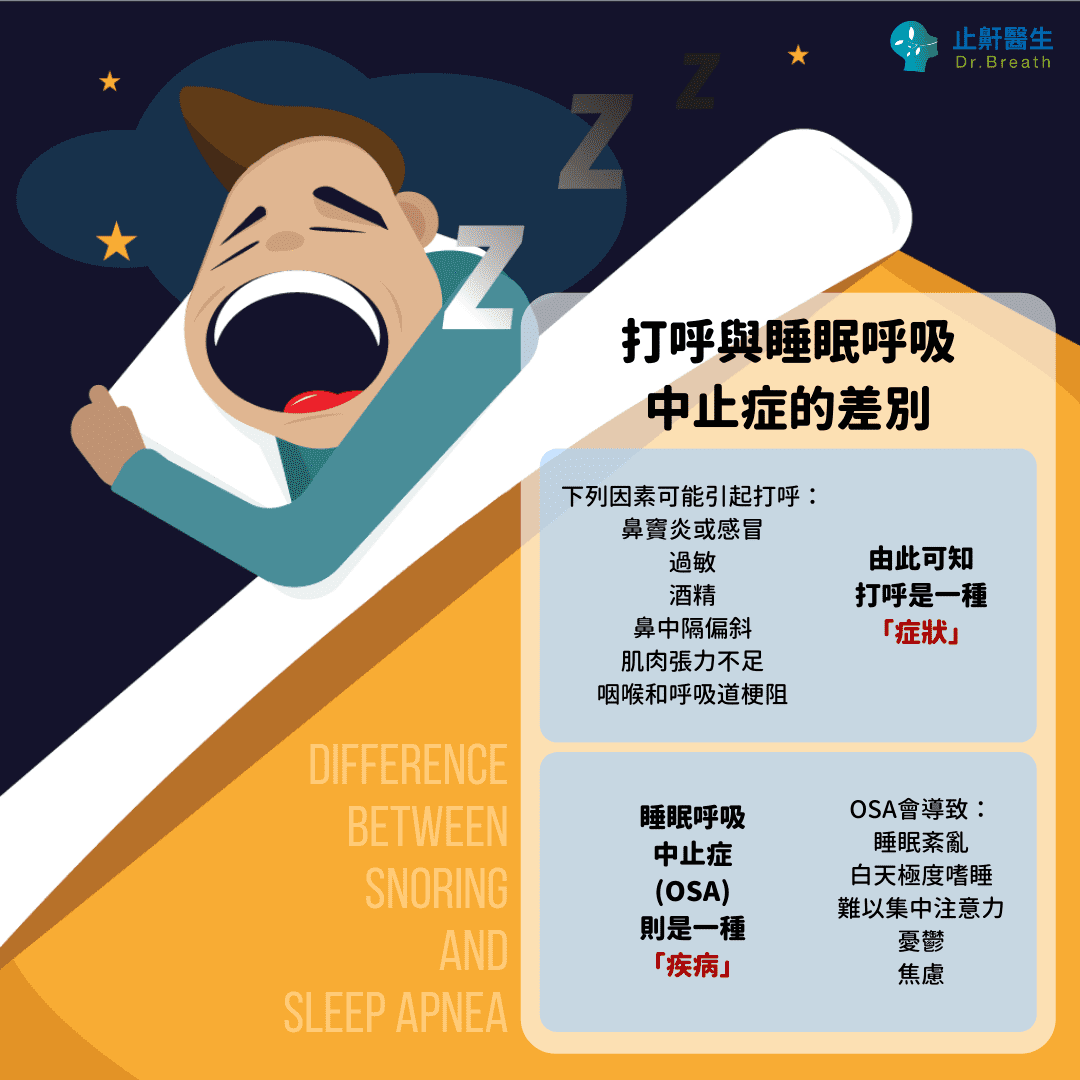
The snoring sound is a noise caused by vibration during breathing and is the result of partial blockage in the airways of the mouth, nasal cavity, or throat.
Furthermore, it can lead to waking up with a dry mouth, sore throat, or feeling irritated and sensitive. Snoring can be caused by many different factors, including:
- Sinusitis or a cold
- Allergies
- Alcohol
- Deviated septum
- Poor muscle tone
- Obstruction of the throat and airways
OSA is a sleep disease defined as intermittent breathing pauses caused by airway obstruction during sleep. Apnea leads to sleep disturbance, sleep interruption, and sleep deprivation.
In addition, a lack of restful sleep can cause a cascade of other health problems, such as extreme daytime sleepiness, difficulty concentrating, depression, and anxiety. Snoring is a symptom of OSA.
Severe Hypoxia Problems May Hide Behind Snoring
Habitual snorers are highly likely to have "Sleep Apnea," a serious sleep disorder that leads to decreased sleep quality and numerous sequelae.
Patients will experience dozens to hundreds of breathing interruptions every night, with each pause lasting for tens of seconds. Therefore, if you often feel extremely fatigued and sleepy during the day, you very likely have a sleep apnea problem.
If you notice the following danger signals, stop asking about snoring improvements on forums; it is recommended to seek medical assistance immediately:
- Inability to concentrate
- Frequently wanting to sleep during the day
- Waking up multiple times during the night
- Feeling like you are suffocating during sleep
- Waking up feeling exhausted in the daytime
Which Department Should You Visit for Snoring?
Which medical department should you register with for snoring diagnostics? Such as:
- Family Medicine
- Otolaryngology (ENT)
- Pulmonology
- Sleep Clinic
- Dentistry
These are all departments that can diagnose snoring. (Further reading: Where are the snoring clinics in Taipei? Which departments can I see for snoring treatment?)
Undergoing a Sleep Study to Diagnose OSA
If you want to confirm whether you suffer from OSA, a preliminary assessment of symptoms and OSA risk factors might be helpful, but the most accurate method is still to meet with a doctor and undergo a detailed diagnosis and subsequent treatment.
In most cases, the doctor will first evaluate the relevant symptoms and medical history, and then refer the patient to a sleep medicine specialist. The sleep medicine specialist will evaluate the following:
- Current symptoms
- Medical history records
- Current physical health status
- Sleep study results
Through a sleep study, the sleep medicine specialist will analyze your sleep patterns as well as any abnormal reactions your body has during sleep.
A sleep study can be conducted in a sleep center or at home, recording vital signs, blood oxygen saturation index, nasal and oral airflow, brain activity, chest and abdominal breathing movements, and recording your snoring sound.
The purpose of a sleep study is not only to diagnose whether you suffer from OSA but also to determine the severity of the condition.
Furthermore, through a sleep study and physical examination, the cause of OSA can also be determined, such as whether it is caused by enlarged tonsils or other obstructions in the body.
What Are the Methods for Snoring Treatment?
If you have tried the above improvement methods without successfully solving the problem, please do not be discouraged. There are currently many medical approaches that can bring significant changes and control, including CPAP machines, oral appliance therapy (digital anti-snoring devices), and surgery.
The progress in snoring treatment has been continuously evolving, and many snoring treatments have become more effective and comfortable, but they all require a prior sleep study and an evaluation by a physician for implementation.
- Digital Anti-snoring Device
- Nightlase Therapy
- CPAP Machine
- Laser-assisted Uvulopalatoplasty (LAUP)
- Uvulopalatopharyngoplasty (UPPP)
Digital Anti-snoring Device: Worn on the teeth during sleep, it can move the lower jaw and/or tongue forward during the sleep process, thereby helping to open the airway.
It is particularly important to note that medical research shows that a digital anti-snoring device must be "personalized" and custom-designed to be effective. Most oral appliances sold online are ineffective and may even have adverse effects. It is recommended to first consult a professional dentist in the field of snoring to create a personalized, custom-designed digital anti-snoring device.
Currently, the most effective and comfortable anti-snoring device recognized is the 3D-printed digital anti-snoring device designed digitally. This type of anti-snoring device is adjustable, allowing you to fine-tune the comfort level yourself.
1. Nightlase Therapy
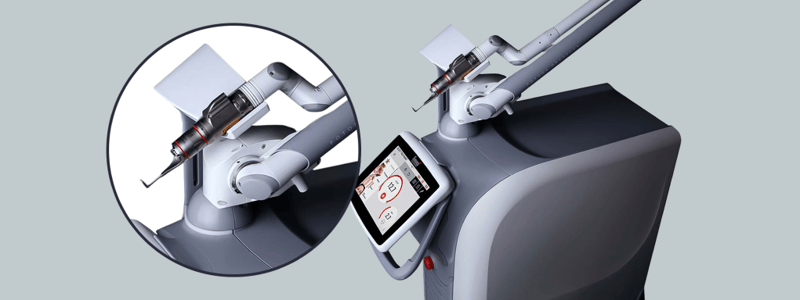
Unlike LAUP, Nightlase does not use a surgical excision method for treatment. In fact, Nightlase uses the special biological energy effects of laser light energy to stimulate the proliferation of elastic fibers and collagen in the soft tissues of the throat airway. Basically, this is the concept of rejuvenating the soft tissues.
Through regular annual maintenance of the throat and airway, in addition to effectively slowing down the aging and laxity of the airway, the severity can also be improved. The biggest advantage is that it requires no anesthesia and the results are immediate.
2. Continuous Positive Airway Pressure (CPAP)
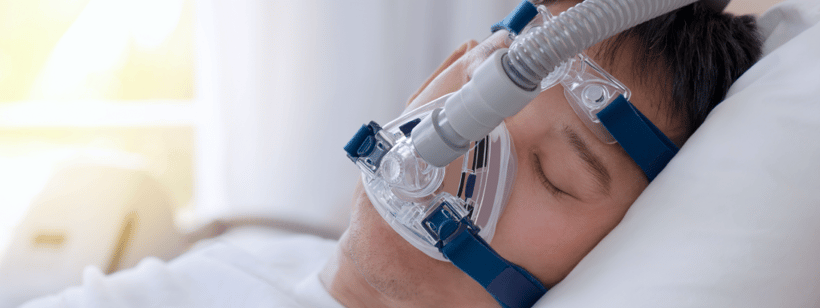
You wear a breathing mask over the nose or face while sleeping, and positive air pressure is used to forcefully open the blocked areas of the airway.
The disadvantage is that it is uncomfortable to wear. If your sleep quality is already poor, it will be even harder to adapt to wearing a CPAP.
3. Laser-assisted Uvulopalatoplasty (LAUP)
Using a laser to remove the uvula and part of the soft palate, as well as removing the tonsils and an overly long uvula, to improve the problem of a loose soft palate in the oropharyngeal cavity.
Usually, the doctor makes a small incision on one side of the soft palate with a laser. When the wound heals, the surrounding tissues harden and contract, preventing the soft palate from vibrating and causing snoring during breathing.
4. Uvulopalatopharyngoplasty (UPPP)
Uvulopalatopharyngoplasty is a type of surgical snoring treatment that was later found to have good effects for treating Obstructive Sleep Apnea. UPPP removes and reshapes soft tissues in the throat area that may cause apnea.
Tissues that can typically be removed include the tonsils and adenoids, while tissues that can typically be reshaped include the uvula, soft palate, and pharyngeal mucosa.
Because surgical snoring treatments are invasive and irreversible, and also involve the uncertainties of anesthesia, they are usually considered a last resort treatment method.
It is recommended that patients with Obstructive Sleep Apnea first consider non-invasive treatments, such as weight loss, lifestyle changes, wearing digital anti-snoring devices, or Nightlase therapy. Invasive treatments are not necessarily required, and the condition can still be improved and alleviated.
Severe Snoring Affects Marital Relationships, How Should You Communicate With Your Partner?
We often encounter people seeking medical consultation who are not the patients themselves, but their partners seeking help. Even a patient partner can't bear being subjected to extreme noise and sleep deprivation every day.
Although you are the victim, deprived of sleep every night by your partner's snoring, please remember that your partner may not have the ability to, or may be unaware of the problem.
When the terrifying effects of sleep deprivation gradually spread and start to become a problem for the patient's partner, please make sure to handle it sensitively, even if you feel irritable, frustrated, or angry.
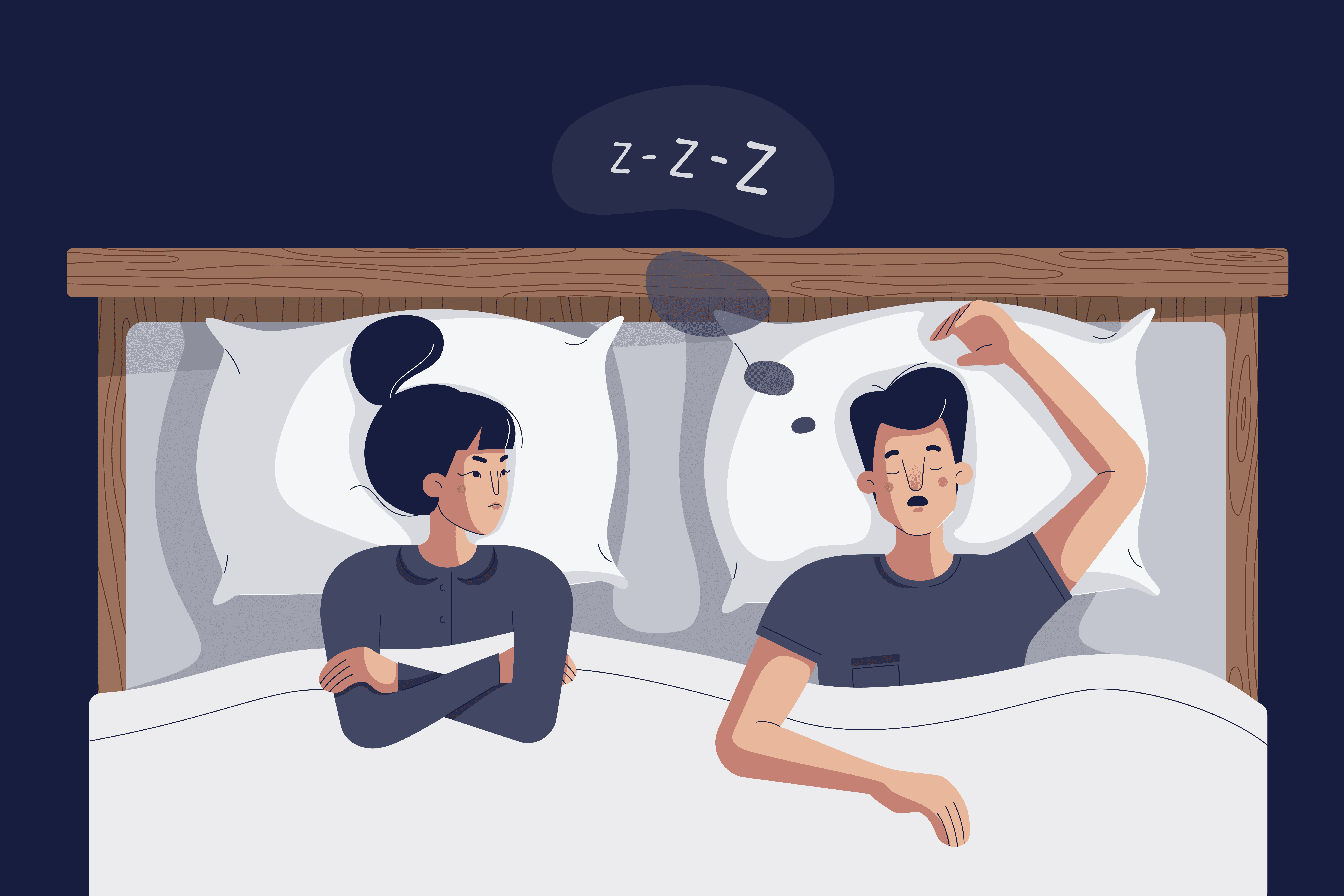
But please remember, the enemy to defeat is the snoring, not the partner. Assisting your partner in solving the problem is the true goal. In addition, the partner may feel embarrassed about their snoring or even take defensive actions. Here are some tips for communicating with your partner:
- Do not fiercely attack your partner; try to resolve it in a non-confrontational way as much as possible.
- Do not use this to vent other issues: make sure it does not become an outlet for dissatisfaction with your partner.
- Try to respond with a sense of humor and care, avoiding hurting the other person.
- Find the right time to discuss; do not choose the middle of the night or early morning, and also avoid doing it when both are exhausted.
- Remember that this is not intentional, but rather a need for help, as the partner themselves may be unaware of this problem.
Handling the Couple's Relationship
When the other half unhappily complains about the snoring problem, the partner might feel a bit hurt. After all, they might not even be aware of it, let alone that this annoying sound has pushed the other half to the brink of a breakdown.
Yes, you heard it right; this can cause turbulence in a couple's intimate relationship, and this is a very common and very real problem.
If you just plan to appease your partner's complaints with words but refuse to try to solve the problem, you are essentially sending a clear message: you do not care about your loved one's sleep needs and feelings.
This could mean that the couple's relationship will fall into a difficult situation, and this destructiveness is even greater than the health hazards caused by snoring.

When working together with your partner to find a solution, please keep the following points in mind:
- Avoid personal emotions getting involved. Do not mistake your partner's frustration as personal criticism or an attack.
- Take your partner seriously. Sleep deprivation harms health and can make your partner feel miserable all day long.
- Clearly state that you care about the marital relationship. If both have this consensus, it will accelerate finding a solution.
- Although snoring is not a disease, it is a warning sign for the body. It is recommended to seek professional medical assistance, and definitely do not refuse out of embarrassment.
- Do not glare angrily. Although lack of sleep can lead to low mood and irritability, please let your partner know that when the snoring sounds, they should not get angry or wake you up with an elbow jab.
The content is based on the professional experience of physicians. Results may vary depending on individual conditions. Please consult a healthcare professional for personalized medical advice.