What Are the Causes of Snoring? Are Anti-Snoring Oral Appliances Effective?
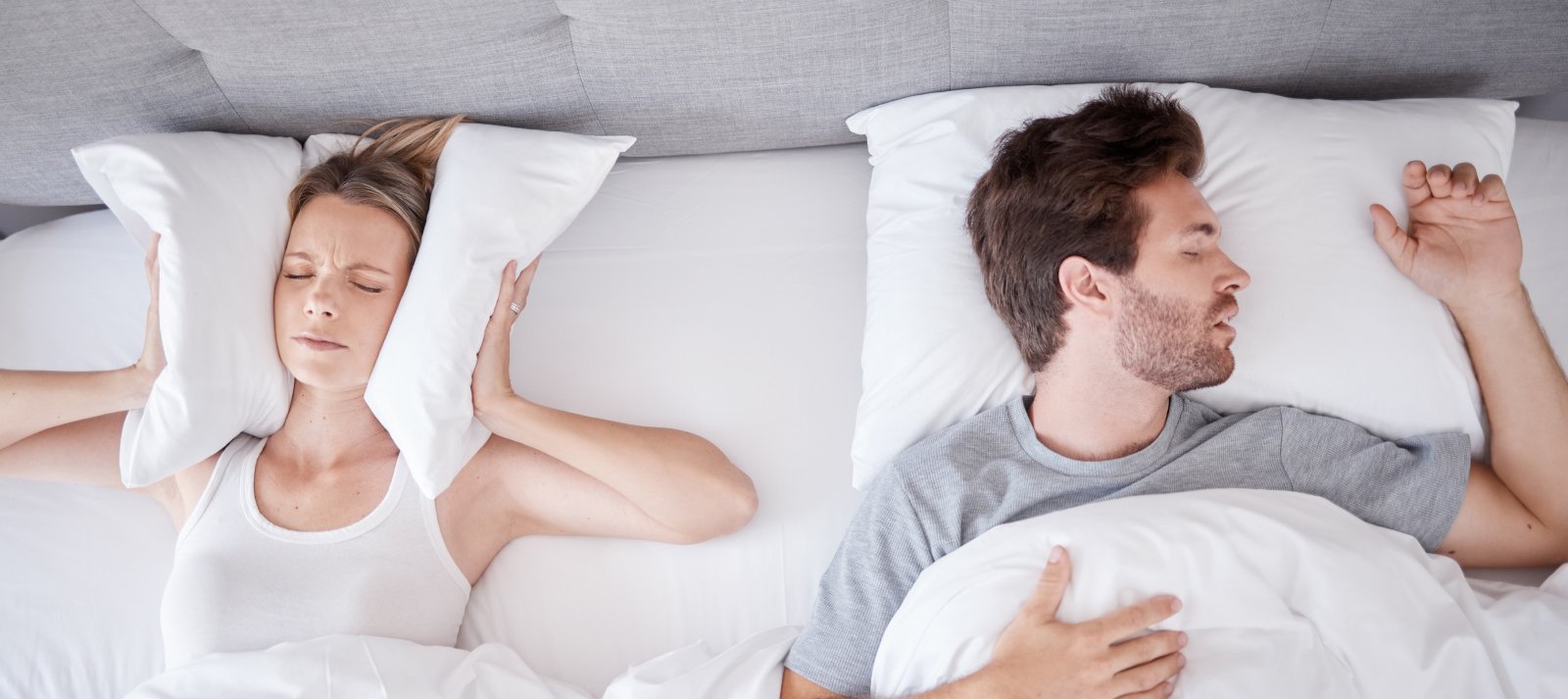
For mild to moderate sleep apnea, a non-invasive anti-snoring oral appliance might actually effectively improve the problems of sleep apnea and snoring. For obese patients with severe sleep apnea, after reducing weight, improving their lifestyle, and exercising, the severity of sleep apnea often decreases, making them eligible to wear an anti-snoring oral appliance and avoid the predicament of wearing a ventilator for life.
Causes of Snoring
Snoring is a common sleep disorder and a frequent sign of sleep apnea. The main cause of snoring is that the airway (including the nasal airway and upper airway) is too narrow, or the muscle tone of the upper airway decreases, resulting in high resistance when airflow passes through. The vibration of the surrounding soft tissues produces sound. The shock waves generated by loud snoring can cause damage and dissection to the inner lining of the carotid arteries, and will also slowly make the mucosa of the throat increasingly loose, leading to further blockage of the airway and forming a vicious cycle.
Causes of Snoring Might Include the Following:
- Obesity: Excess fat accumulates around the airway, resulting in a thicker neck circumference that compresses and narrows the airway, increasing airflow resistance.
- Anatomical Abnormalities in the Nasopharynx: Narrow or abnormal structures in the nasal cavity, oral cavity, throat, etc., can easily cause airway obstruction. The most common cause, mouth breathing due to nasal congestion, also increases the chance of snoring.
- Unsuitable Mattresses and Pillows: A mattress or pillow that is too high, too low, too hard, or too soft can affect sleep posture and the position of the head and neck, pressing on the chin and throat, causing the airway to deform or constrict.
- Incorrect Sleep Posture: Sleeping on the back can cause the base of the tongue to retreat or the lower jaw to drop, obstructing airflow. Sleeping on the side relatively helps keep the airway clear.
- Respiratory Diseases, Allergies, or Long-term Smoking and Drinking: These factors cause airway inflammation, swelling, constriction, or relaxation, affecting the smoothness of airflow.
Treatments for Snoring
Snoring not only affects sleep quality and a partner's mood but can also increase the risks of cardiovascular disease, stroke, and dementia. Therefore, it is recommended that those with a snoring problem seek medical help early to identify the cause and take appropriate treatment measures.
Treatment Methods May Include:
- Improving Lifestyle Habits: Losing weight, quitting smoking, quitting alcohol, avoiding beverages containing caffeine or alcohol, etc., can all reduce the occurrence and severity of snoring.
- Cleaning the Nasal Cavity and Using Nasal Sprays Before Bed: Use saline or other cleansers to wash the nasal cavity, remove foreign bodies and secretions, and reduce nasal congestion and inflammation. For chronic allergic rhinitis, it is recommended to use "steroid nasal sprays" over a long period to reduce the vicious cycle of "allergy-nasal congestion-mouth breathing-snoring".
Because steroid nasal sprays are topical, the absorbed dose is low, and they do not have the adverse side effects of oral steroids.
-
Treating Obstructive Sleep Apnea (OSA): The treatment for sleep apnea varies according to its severity. Therefore, "personalized precision medicine" is required for each patient. Treatment options may include:
-
Anti-Snoring Device (Anti-Snoring Oral Appliance)
- Negative Airway Pressure Machine or Negative Airway Pressure Oral Appliance
- Continuous Positive Airway Pressure (CPAP)
- Oral Myofunctional Therapy or MRC Trainers
- NightLase Therapy (Anti-Snoring Laser)
- Oral Reconstruction and Orthognathic Surgery
- Weight Loss and Gastric Reduction Surgery
- ENT Surgeries, such as: Uvulopalatopharyngoplasty (UPPP)
For mild to moderate sleep apnea, a non-invasive anti-snoring oral appliance might actually effectively improve the problems of sleep apnea and snoring. For patients with severe sleep apnea, a ventilator can be used as a transitional option; in fact, for obese patients with severe sleep apnea, after reducing weight, improving their lifestyle, and exercising, the sleep apnea can be significantly alleviated, allowing them to escape the predicament of wearing a ventilator for life.
Types of Anti-Snoring Devices
A medical-grade 3D printed anti-snoring oral appliance is worn during nighttime sleep. It is much more comfortable than a ventilator, resulting in higher acceptance and a greater willingness for long-term use.
- Tongue-retaining devices (TRDs / TADs)
By gently holding the tongue forward, it keeps the airway open. The device is usually made of soft plastic or silicone. When worn, it creates a slight negative pressure between the tongue and the device, keeping the tongue in a fixed position to prevent it from falling back and blocking the airway. Because the appliance itself is large and less comfortable to wear, it is rarely used but can be suitable for patients with missing teeth or severe periodontal disease.
- Mandibular advancement devices (MADs)
The most commonly used type of anti-snoring device. By moving the lower jaw and tongue forward, it expands the airway space in the oropharynx, increases muscle tone at the base of the tongue, and prevents the tongue from obstructing the airway during sleep. If 3D printing technology is used, it can be much thinner and lighter than traditional transparent acrylic oral appliances, providing better wearing comfort.
Principle of Anti-Snoring Devices
How Anti-Snoring Oral Appliances Work
The more comfortable anti-snoring device is the "Mandibular Advancement Device (MAD)". The mechanism of action is to move the lower jaw (mandible) forward while you sleep. Because the base of the tongue is attached to the inside of the lower jaw, when the lower jaw moves forward, the tongue also moves forward. This increases the airway space behind the tongue, improves breathing, and reduces the frequency of snoring and apneas.
An anti-snoring oral appliance (MAD) is personalized and custom-made by a dentist based on your individual dental bite. There are many different designs for MADs; some are adjustable, while others have metal springs and cannot be adjusted. Early MAD designs were one-piece, less comfortable to wear, and bulky. Newer designs mostly adopt a separated upper and lower appliance (twin-block), giving the temporomandibular joint more freedom and making it less uncomfortable.
Disadvantages of Anti-Snoring Devices
MAD is effective for most snoring and sleep apnea cases, but it is not effective for everyone. It still needs to be personalized after an evaluation. They may also cause some side effects, such as temporomandibular joint pain, tooth movement, bite changes, dry mouth, or excessive saliva, but most symptoms are temporary.
Who is Not Suitable for Wearing an Anti-Snoring Oral Appliance?
- Obese individuals with severe sleep apnea
- People with an excessively strong gag reflex
- People with missing teeth or severe periodontal disease
- People with temporomandibular joint disorders
A Case That Defied Expert Expectations
A Famous Weight-Loss Doctor Who Could Never Identify His Sleep Problem
Many elderly people think they start sleeping poorly because they are "getting old" or due to "insufficient melatonin secretion". Sleep research shows that compared to younger people, older people do not have a significantly reduced need for sleep. In fact, their inability to fall asleep is very likely a "Low-threshold Arousal" type of sleep apnea, which presents as "insomnia" or "light sleep".
Dr. Lin, a 64-year-old esteemed figure in the medical field, is a well-known weight-loss doctor. For over ten years, he has suffered from poor sleep and light sleep. He snores in his sleep, and most of the time, he can only sleep for 2-3 hours a day, so he often feels groggy and lacks energy. Although Dr. Lin is a doctor himself and has many friends in the medical field, and has consulted numerous sleep experts over the years and tried various treatments, such as Transcranial Magnetic Stimulation (TMS), and used sleeping pills, he has never been able to resolve his sleep disorder.
Sleep doctors have performed sleep tests for him, whether it was a "Polysomnography (PSG)" involving an overnight stay at a hospital sleep center, or a "Home Sleep Test (HST)" done at home. Most test results showed that Dr. Lin had light sleep and sleep disorder issues, but aside from that, no other problems could be seen. Therefore, the sleep doctors could only advise him to exercise more or try adjusting his lifestyle. (Mentioning this makes Dr. Lin a bit angry because he exercises every day and has a very healthy lifestyle—after all, he is a famous weight-loss doctor!)
The tests Dr. Lin took are currently considered the "gold standard" of sleep testing, but none of these methods found the root cause of his chronic insomnia: no one discovered that he actually had moderate to severe Obstructive Sleep Apnea. In fact, all tests showed he only had mild sleep apnea. Why is this?
Fool! The Problem is He Never Really Fell Asleep!
The reason sleep apnea is hard to detect is that more severe apneas mostly occur during "Non-Rapid Eye Movement deep sleep (NREM)" or "Rapid Eye Movement (REM)" stages. These are the deep sleep and dreaming stages, respectively.
During REM sleep, the brain's control over respiratory muscles weakens, and airway muscles are more likely to relax, causing airflow obstruction. Apneas also occur during NREM sleep but are usually more severe during REM sleep.
Therefore, for a patient like Dr. Lin, whose sleep is so light that he can barely fall asleep, existing sleep testing technologies cannot measure his real problem. Anyone who has done a sleep test at a hospital sleep center knows that falling asleep while covered in wires and sleeping in a hospital bed is quite difficult, let alone for someone like Dr. Lin with chronic insomnia!
Millimeter-Wave Sleep Testing Brings the Real Problem to Light!
People who have difficulty falling asleep or are constantly in a light sleep and easily awakened belong to the "Low-threshold Arousal" type. This means their brains have become overly sensitive, waking up at the slightest disturbance. Patients with long-term Obstructive Sleep Apnea (who may never have realized it themselves) gradually develop this low arousal threshold due to repeated apneas and arousals.
Their brains are overly sensitive to airway obstruction; any slight airflow blockage or oxygen deficiency will wake them up from sleep. Once it turns into this type of sleep apnea, it often becomes more difficult to treat, and this is typical for many elderly insomnia sufferers.
As mentioned earlier, existing sleep testing tools struggle to detect sleep apnea in "Low-threshold Arousal" patients because they might not enter deep sleep (and therefore no apneas occur).
Thus, we used a piece of black technology—"Medical Millimeter-Wave". This device is small like a speaker and sits by the bed, requiring no wires connected to the subject and emitting no sound, so it causes almost no extra interference to the person taking the sleep test.
After we continuously monitored Dr. Lin's sleep using the millimeter-wave for a week, an astonishing result emerged: his apnea index (bRDI) averaged between 22-26 every day, meaning he actually had moderate to severe sleep apnea.
Sleep Endoscopy to Examine Airway Anatomy and Design an Anti-Snoring Device
To confirm that the cause of Dr. Lin's insomnia was "Obstructive Sleep Apnea" and to locate where the airway obstruction occurred, we used "Drug-induced Sleep Endoscopy (DISE)" to let Dr. Lin enter deep sleep under medication induction. When Dr. Lin's brain wave BIS index dropped to around 50 (simulating deep sleep), we found that his airway began to obstruct in two places: the velopharynx (V) and the base of the tongue (T):
Before Wearing the Anti-Snoring Oral Appliance:
- His mouth would open slightly when sleeping flat on his back.
- Both the velopharynx and the base of the tongue had a grade 2 obstruction (75% obstructed, in the anteroposterior direction).
- The oropharynx and epiglottis showed no signs of obstruction.
During the endoscopy, we also adjusted the anti-snoring oral appliance simultaneously to confirm that our design would be effective for him.
After Wearing the Oral Appliance:
- His mouth would still open slightly when sleeping flat on his back.
- The velopharynx obstruction decreased to grade 1 (50% obstructed).
- The obstruction at the base of the tongue completely improved (0% obstructed).
On the day the sleep endoscopy was completed, we had Dr. Lin wear the temporary anti-snoring device we designed. After Dr. Lin wore it for about a week, he no longer found it hard to fall asleep at night, and the depth and quality of his sleep improved. His sleep duration went from only 2-3 hours of light sleep to being able to sleep for 6-7 hours.
Naturally, his daytime energy and work efficiency also improved significantly! We continued to track his physiological data using the millimeter-wave for several weeks and found his sleep data constantly improving. When we saw Dr. Lin a month later, he looked very happy; the sleep problem that had troubled him for years was finally solved.
Is Inability to Sleep Due to Aging? Or Sleep Apnea?
Many elderly people think they start sleeping poorly because they are "getting old" or due to "insufficient melatonin secretion". Sleep research shows that compared to younger people, older people do not have a significantly reduced need for sleep. In fact, their inability to fall asleep is very likely a "Low-threshold Arousal type of sleep apnea", which presents as "insomnia" or "light sleep". Over time, these people slowly trend towards dementia.
Do you or the elderly in your family also suffer from poor sleep at night and light sleep? Do you sleep for a long time at night but still have poor energy during the day? Is your partner constantly kept awake by your noise? If you experience the above conditions, do not ignore them. You should actively seek solutions and let the snoring doctor team provide you with the most comprehensive diagnosis and treatment plan!
Epilogue: Are Anti-Snoring Devices from Online Stores Effective?
There are various types of anti-snoring devices sold in online stores; however, most have not undergone clinical trials and lack medical evidence to prove their effectiveness. Many are not only completely ineffective but may even worsen sleep apnea.
Furthermore, because the airway anatomy and obstruction sites of each sleep apnea patient are different, most require "personalized" anti-snoring device design using intraoral scanning. Particularly complex cases also require "Drug-induced Sleep Endoscopy (DISE)" to judge and confirm whether the anti-snoring oral appliance design can effectively open the obstructed areas of the airway, thereby achieving truly personalized medicine and long-term fit.
The content is based on the professional experience of physicians. Results may vary depending on individual conditions. Please consult a healthcare professional for personalized medical advice.