Comorbidity of Insomnia and Sleep Apnea: Do You Have Insomnia or Sleep Apnea?
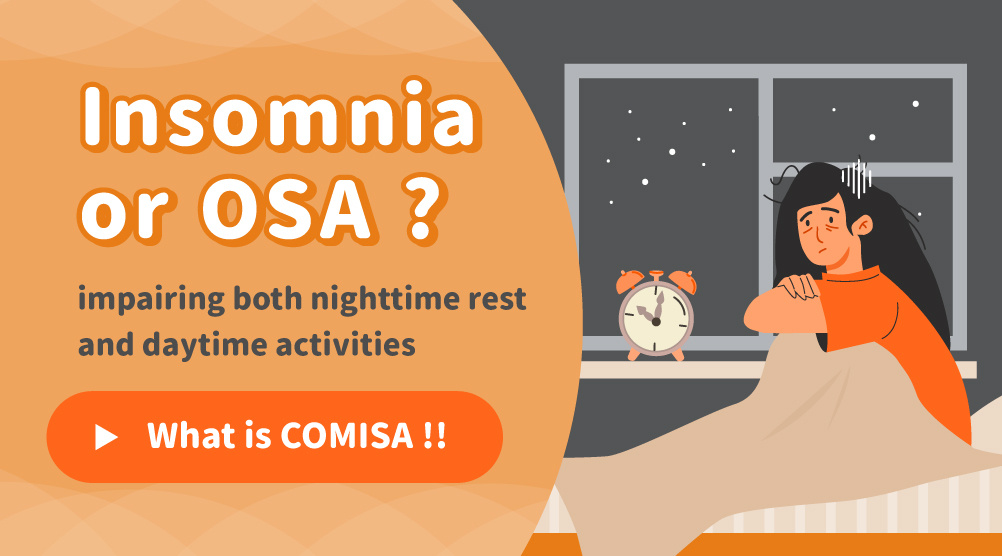
Besides insomnia and sleep apnea, did you know there is a comorbidity that combines both? Imagine someone who frequently has difficulty falling asleep, and once asleep, repeatedly wakes up due to snoring, apneas, and nasal congestion, finally struggling in a state of light sleep until dawn. During the day, they feel sluggish, unable to concentrate on work, often have headaches, feel lethargic, and are exhausted all day. This situation has lasted for months or even years, severely affecting their quality of life and leading to mood swings and health issues. This condition combining insomnia and sleep apnea is called COMISA. It exacerbates both problems, significantly impacting the patient's nighttime rest and daytime activities.
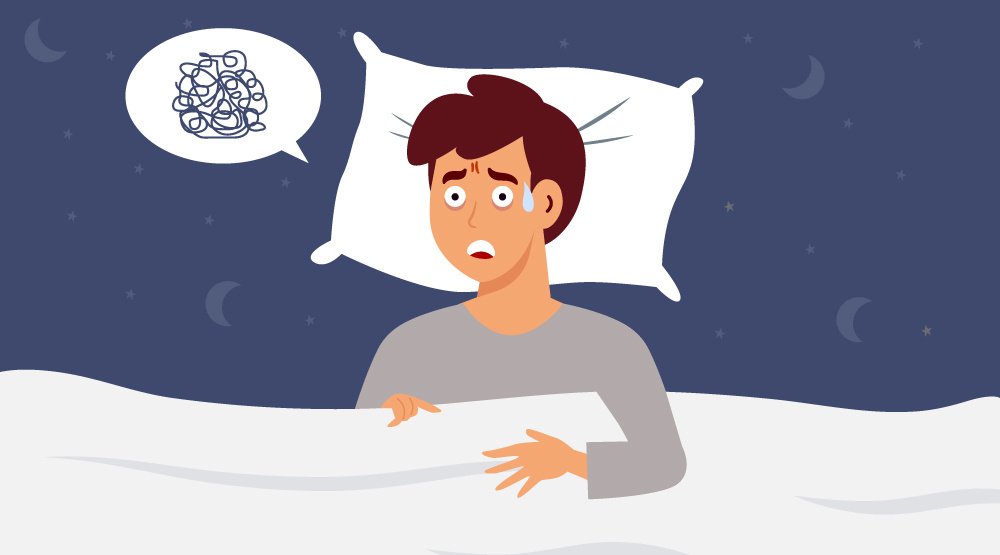
What is Co-Morbid Insomnia and Sleep Apnea (COMISA)?
COMISA (Co-Morbid Insomnia and Sleep Apnea) is a complex disease resulting from the intertwining of two common sleep problems: insomnia and OSA. COMISA was recognized as early as 1973, but it wasn't until the late 1990s that more systematic research began. Symptoms of COMISA include insomnia, fatigue, snoring, dry mouth, and nasal congestion. If a patient has both Obstructive Sleep Apnea (OSA) and insomnia simultaneously, it is much more difficult to manage than a single symptom. Both possibilities must be considered during diagnosis because the symptoms involved interact and exacerbate the condition. For example, a patient might wake up at night due to an apnea, which makes it hard for them to fall back asleep. This overlap of symptoms affects not only nighttime rest but also daytime mental state and quality of life. As research continues to evolve, understanding the high prevalence of COMISA has become crucial—30% to 50% of patients with OSA have comorbid insomnia, and 29% to 67% of insomnia patients also suffer from sleep apnea. This article explores the mutual interaction between insomnia and OSA, as well as the health impacts of this comorbidity, to grasp the latest treatment methods and health management strategies for COMISA.
The Bidirectional Relationship Between Insomnia and Obstructive Sleep Apnea (OSA)
The relationship between insomnia and Obstructive Sleep Apnea (OSA) is bidirectional, meaning these two sleep problems can influence each other. For instance: insomnia makes it difficult for people to fall asleep and stay asleep, which may lower the body's arousal threshold for sleep interruptions, making the apneas commonly seen in OSA more likely to wake the patient. Furthermore, the repeated awakenings caused by OSA sometimes make people "expect" to experience breathing difficulties at night. This "anticipation" keeps them in a state of high alertness, further affecting sleep quality and forming so-called "conditioned insomnia." On the other hand, because insomnia patients are often in a higher state of alertness, this may affect their airway stability, exacerbating the airway collapse problem in OSA, and making apneas more frequent and severe.
Research found that among all insomnia patients, 35% have an AHI greater than or equal to 5, and 29% have an AHI greater than or equal to 15, indicating that many insomnia patients are actually also affected by OSA.
Note: "Apnea-Hypopnea Index" (AHI) is the number of apneas and hypopneas (shallow breathing) occurring per hour of sleep. An AHI between 5 and 15 is usually considered mild sleep apnea, 15 to 30 is moderate, and over 30 is considered severe.
At the same time, 38% of patients diagnosed with OSA also meet the diagnostic criteria for insomnia, reflecting the mutual influence between insomnia and OSA. Regarding the risk factors for COMISA, if someone was previously diagnosed with OSA, their chance of developing COMISA is 2.35 times that of a normal person; while those with a history of insomnia have a 3.35 times higher risk of developing COMISA. Additionally, COMISA patients often suffer from chronic pain or mental health issues, which further impact their lives. Looking at the temporal trends, the prevalence of COMISA is rising. For example, the general population prevalence increased from 17.64% in 2007 to 22.95% in 2015, suggesting that diagnoses have increased as awareness of this condition has grown.

Clinical Symptoms of COMISA
These symptoms may include difficulty falling asleep, waking up frequently, and still feeling tired upon waking. For example, a patient might spend two hours tossing and turning before falling asleep, only to wake up intermittently throughout the night. Even after lying in bed for eight hours, they feel extremely exhausted when getting up in the morning and cannot restore their energy; this is a classic example. Patients may also feel continuous fatigue during the day, lack motivation to participate in daily activities, and lose enthusiasm for their usual hobbies. In this situation, a patient might find it hard to stay focused at work, struggling to muster the energy to complete simple tasks, leading to worse work performance than before and often being misunderstood by colleagues as lazy or unfocused. Emotionally, due to the lack of good sleep, patients often feel irritable, anxious, or even depressed, affecting their interpersonal relationships and making it difficult to handle usual stress and responsibilities. For example: often appearing restless or easily losing their temper when meeting friends, causing friendships to become strained and social activities to decrease. Furthermore, patients may struggle to complete complex work tasks or maintain steady learning progress due to impaired attention, concentration, and memory. For an engineer needing to handle meticulous work, this might cause them to miss project deadlines or make mistakes, thereby affecting their career development.
An increased risk of accidents is another major issue. A patient driving might accidentally run a red light and narrowly avoid a car crash due to daytime sleepiness and slow reaction times. Repeated insomnia and worrying about sleep quality also increase stress, creating a vicious cycle. Therefore, the patient's social and occupational functions may be impaired, making it difficult to fully fulfill workplace and family responsibilities. This series of interacting symptoms severely impacts the patient's health and quality of life. Treating COMISA usually requires a two-pronged approach, targeting the relief and treatment of different symptoms.
How Do I Know if I Have COMISA?
According to the International Classification of Sleep Disorders (ICSD-3, Third Edition), when diagnosing COMISA, doctors typically follow these steps:
-
Medical History Inquiry:
-
Insomnia: Understand the patient's sleep patterns, insomnia symptoms (such as difficulty falling asleep, difficulty maintaining sleep, waking up early, etc.), as well as the duration and frequency of symptoms.
- Comorbid Symptoms: Ask if there are symptoms related to Obstructive Sleep Apnea, including snoring, nighttime breathing pauses or a feeling of suffocation, as well as daytime sleepiness, fatigue, and morning headaches.
-
Impact on Daytime Daily Activities:
#### Assess the impact of insomnia and OSA symptoms on the patient's daily life, including attention, memory, academic and work performance, mood, and social abilities. 3. #### Sleep Monitoring (PSG):
PSG is the most accurate method to confirm Obstructive Sleep Apnea. It records parameters such as brain waves, breathing, blood oxygen saturation, and heart rate during sleep. Doctors can use PSG to determine the severity of sleep apnea. 4. #### Insomnia Assessment Tools:
Use various standardized questionnaires such as the Athens Insomnia Scale (AIS), which is widely used in the medical field to detect the severity of insomnia problems and is an internationally recognized, authoritative standard for measuring insomnia, to assess the severity of insomnia symptoms. 5. #### Ruling out Other Factors:
Rule out causes that might lead to similar symptoms, such as substance abuse, depression, anxiety disorders, and other sleep disorders. 6. #### Consideration of Psychological Factors:
Evaluate whether the patient has excessive worry about sleep or if there are other mental health issues making them more susceptible to insomnia.
The Health Impact of COMISA
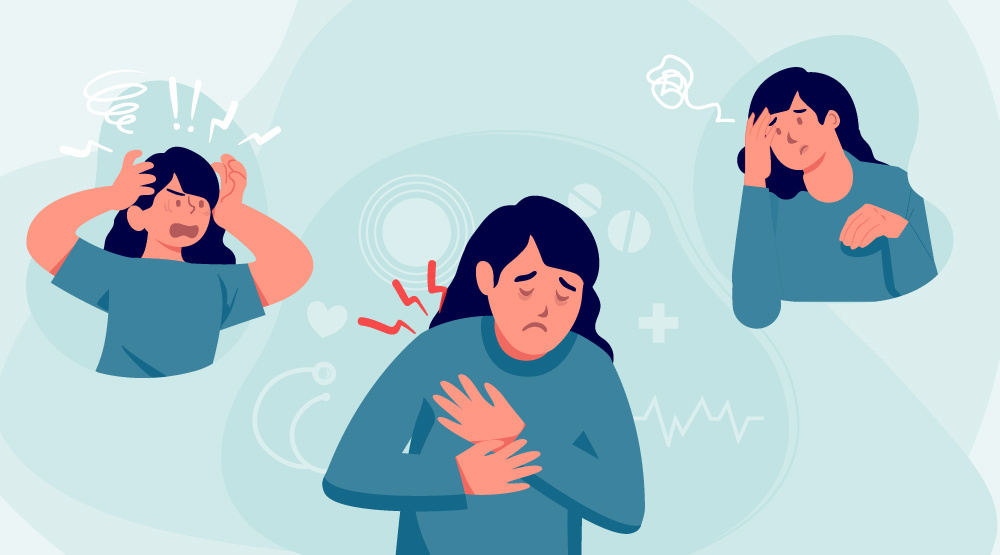
The health impacts of COMISA include cardiovascular disease and mortality risk. Research found that people with COMISA have a 75% increased risk of cardiovascular disease. Especially for patients with Type 2 diabetes, the COMISA condition will further aggravate cardiovascular problems. Additionally, the risk of death for people with COMISA in the next 10 to 20 years is significantly higher than that of normal people, being 47% to 71% higher compared to those without insomnia or OSA. In terms of mental and physical health, COMISA also has a significant impact on mental health. Common problems include increased depressive symptoms, anxiety, and suicidal thoughts. The combination of insomnia and OSA not only worsens emotional issues but also affects daily functioning, such as poor concentration and emotional irritability. In terms of physical health, COMISA patients often feel more tired, sleepy, and even have headaches. These symptoms reduce their quality of life and work efficiency. Because COMISA involves two diseases, insomnia and OSA, treatment becomes more complicated, and patients may require more intensive and long-term treatment.
The Psychological Impact of COMISA
The impact of COMISA on mental health is extremely significant because it combines two major sleep disorders. First, insomnia makes it difficult for patients to fall asleep or causes poor sleep quality. This continuous sleep deprivation often triggers anxiety, depression, and extreme mood swings, and can even lead to suicidal thoughts. The repeated nighttime awakenings keep the patient in a state of light sleep all night, unable to get enough deep sleep to restore their body and mind, making them feel exhausted and lacking energy during the day. On the other hand, Obstructive Sleep Apnea (OSA) causes the patient to experience repeated breathing interruptions during sleep, leading to brain hypoxia, which further impairs the patient's cognitive function. This brain hypoxia reduces the patient's attention and memory, making them unable to concentrate on completing daily tasks. Furthermore, OSA patients often wake up from sleep with a strong feeling of suffocation or fear, which keeps them in a long-term state of high alertness, exacerbating anxiety and panic. The coexistence of both disorders makes it difficult for patients to maintain emotional stability, impairs memory and thinking abilities, and may cause them to lose the ability to cope with stress in daily life. Continuous exhaustion makes it hard for patients to function normally in work and social activities, ultimately potentially leading to low self-image and social isolation. All these impacts make COMISA a sleep disorder with very severe consequences for mental health.
COMISA Case Sharing
Mr. Liu, in his forties, has recently been feeling headaches upon waking up in the morning for the past two or three months. This pain feels like a dull ache in the back of his head, and sometimes he has to rely on taking Panadol to relieve the symptoms. Besides this, he also has sinusitis and gastroesophageal reflux issues. He has also been suffering from allergic rhinitis for a long time, always sneezing and catching colds when the temperature changes or seasons change. Because Mr. Liu's snoring is very loud, the couple started sleeping in separate rooms a year or two ago. Mr. Liu always felt he slept very deeply and dreamt easily, but he never worried about his sleep condition. Recently, a relative in his family passed away due to Obstructive Sleep Apnea (OSA), so he booked an appointment to understand his own sleep condition.
After the consultation and following the doctor's treatment advice, he decided to start using an anti-snoring oral appliance, hoping to reduce his snoring and headaches. He wore the oral appliance for four weeks and recorded his sleep condition every night, with the doctor requesting a follow-up visit in two weeks. Mr. Liu's data showed that his sleep efficiency improved, and his Wake After Sleep Onset (WASO) time decreased to no more than 30 minutes per night, but his Oxygen Desaturation Index (ODI) increased from 10-15 times per hour to around 20 times.
Note 1: WASO refers to the total amount of time spent awake between falling asleep and the final awakening. It is generally under 30 minutes; if it exceeds 30 minutes, it is considered a significant sleep fragmentation problem. Note 2: Oxygen Desaturation Index (ODI) calculates the average number of times the blood oxygen concentration drops (by 3-4%) per hour and can serve as an important basis for judging sleep apnea.
This is a typical COMISA case. The insomnia of COMISA patients is often the main cause of physical discomfort. Mr. Liu's sleep apnea made his sleep light and inefficient, often causing headaches. The use of the anti-snoring oral appliance improved his breathing, reduced the number of awakenings, and relieved 90% of his headaches. However, because he slept more deeply, his breathing problem became more pronounced, and the hypoxia index increased as a result. To further improve the situation, the doctor suggested Mr. Liu consider using a Continuous Positive Airway Pressure (CPAP) machine to keep the upper airway open, actively exercise and control his diet to lose weight, while simultaneously strengthening his oral muscle training to keep his tongue in a proper position during sleep.
Conclusion
When discussing the complex and intertwined impacts of COMISA, we understand that this comorbidity poses significant challenges in terms of diagnosis, management, and treatment. Healthcare professionals must adopt a cross-disciplinary, patient-centered approach. They not only need to understand the interaction between psychology and physiology but also need to tailor treatment plans for each patient to meet the special needs of COMISA patients.
*✈ Further Reading: The Best Treatment Methods for Co-Morbid Insomnia and Sleep Apnea*
*✈ Further Reading: Say Goodbye to Sleeping Pills! How to Improve Your Sleep with Cognitive Behavioral Therapy for Insomnia (CBT-I)*
The content is based on the professional experience of physicians. Results may vary depending on individual conditions. Please consult a healthcare professional for personalized medical advice.