Deafening Snoring Might Vibrate and Damage the Carotid Artery, Leading to a Stroke!?

Is Carotid Atherosclerosis Related to Snoring?
Identify the cause of your partner's sleep apnea by listening to their snoring and treat the symptoms accordingly. Is loud snoring just noisy?
Research from the Henry Ford Hospital in Detroit shows that people who snore frequently have a much higher risk of carotid artery stiffening than ordinary people. Among severe snoring patients, up to two-thirds have carotid atherosclerosis. Current medical research has confirmed that snoring is a major independent risk factor for carotid atherosclerosis, and its risk is even greater than the effects of being overweight and smoking.
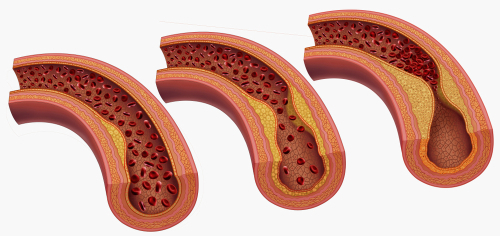
Snoring is a Symphony Concerning Life
Different Snoring Spectrums Represent Different Upper Airway Anatomical Problems
The snoring that weaves the Symphony of Fate comes from upper airway obstruction. The anatomical structures where obstruction can occur are divided into four parts, commonly known as the VOTE classification:
- Velum (Soft Palate): Including the uvula
- Oropharynx (Lateral pharyngeal walls): Including the common tonsils
- Tongue base
- Epiglottis
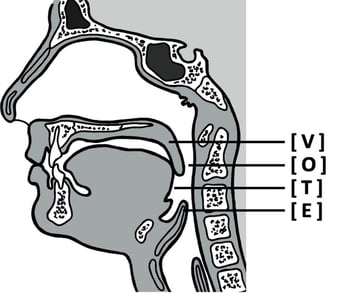
The spectrum of snoring sounds can be divided into:
- Below 300 Hz is low-frequency; low-frequency snoring originates from the vibration of the soft palate (V).
- 300-850 Hz is mid-frequency; mid-frequency snoring originates from the epiglottis (E) and tonsils (O).
- Above 850 Hz is high-frequency; high-frequency snoring is mostly caused by the tongue (T) blocking the airway.
Other factors such as different sleeping postures and different depths of sleep will also affect snoring.
Low-Frequency Snoring is Mostly Related to Nasal Problems
Generally speaking, lower-frequency, regular, and continuous snoring is usually indicative of milder sleep apnea. Usually, the airway is only partially obstructed, and the obstruction is mostly above the oral cavity. Common clinical symptoms are allergic rhinitis, nasal congestion, a deviated nasal septum, turbinate hypertrophy, or a relaxed soft palate. These types of problems are much simpler to deal with. Most can be effectively improved by reducing allergens in the environment, improving one's own immunity, or using medications such as nasal sprays; more severe conditions may require outpatient surgery in the ENT department.
Mid-to-High Frequency Snoring is Highly Correlated with Moderate to Severe Sleep Apnea, Carotid Artery Stiffening, and Stroke
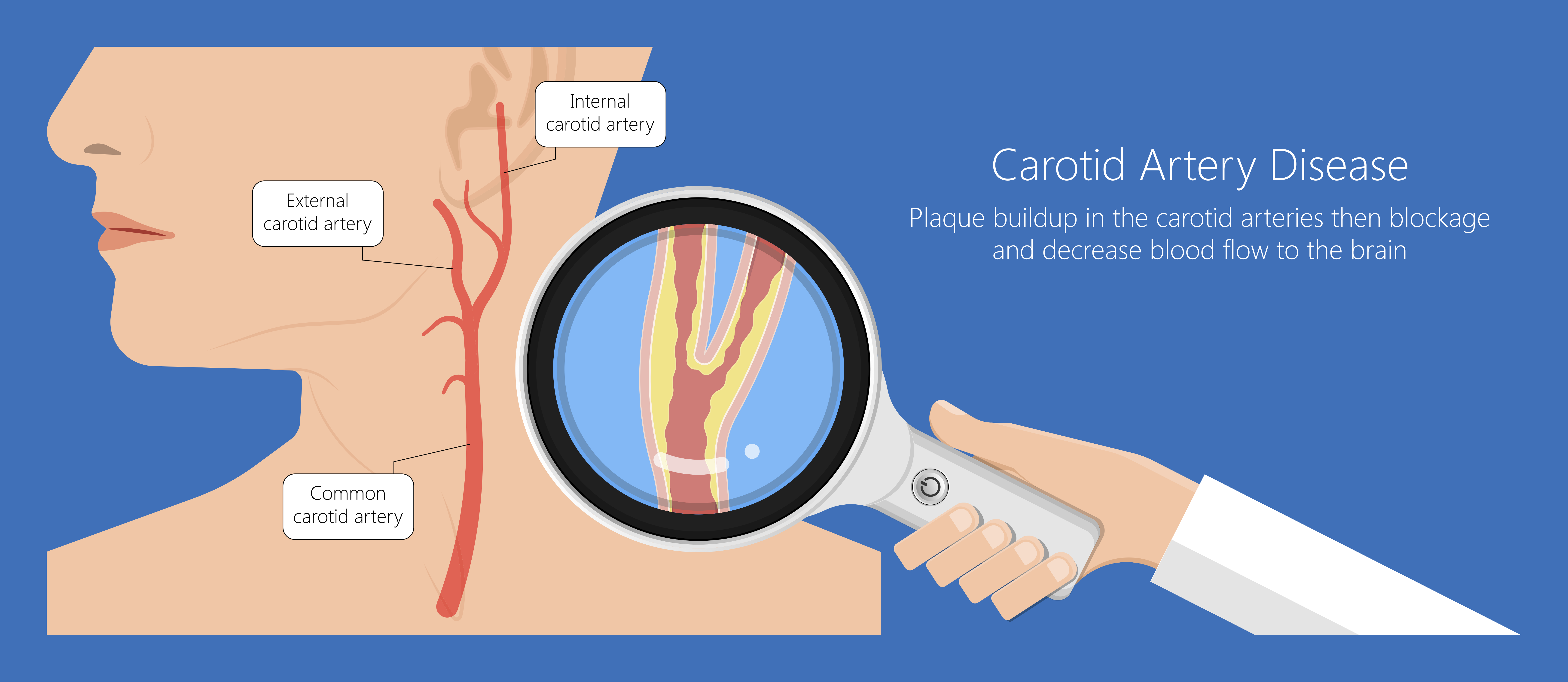
If a patient's snoring is mid-to-high frequency, sounds like chaotic breathing, and is interspersed with breathing pauses and popping sounds in the middle, it indicates that they have a sleep apnea problem, and the severity is mostly moderate to severe. This type of snorer should immediately arrange for a "Home Sleep Test" for preliminary screening of sleep apnea.
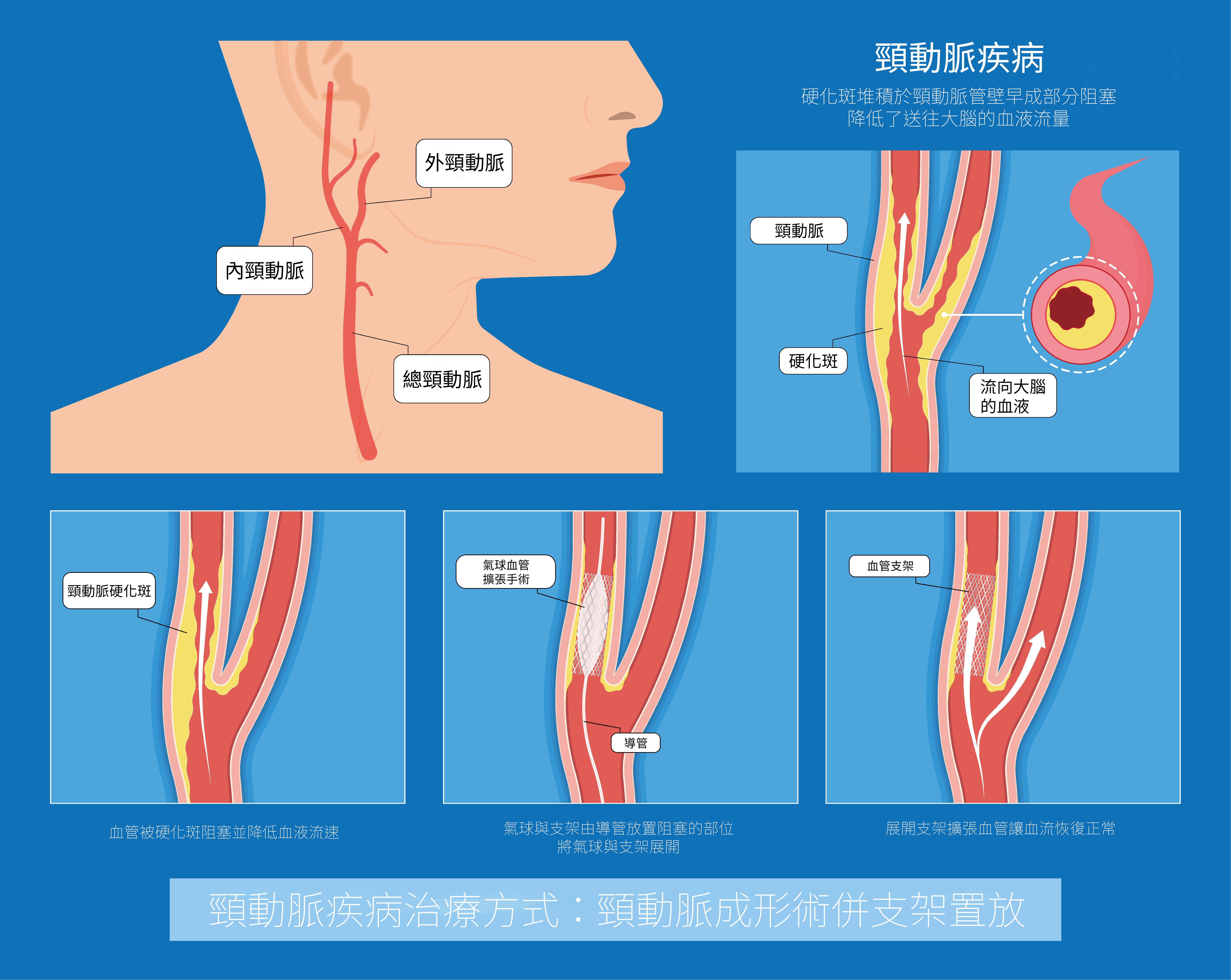
Studies have found that mid-to-high frequency snoring can vibrate and damage the carotid artery. The vibrations of the snoring pass through the lateral pharyngeal wall muscles and vibrate the carotid artery, causing damage to the endothelial cells of the carotid artery walls. Consequently, the body's immune response is activated to repair the damaged vessel walls using cholesterol, forming plaques attached to the vessel walls. This process is very similar to the process of coronary artery stiffening in the heart.
If, in this process, snoring damages the carotid artery wall, triggering the repeated occurrence of inflammatory repair by immune cells and causing layers of cholesterol to accumulate on the vessel wall, it will gradually cause the carotid artery to become narrower and stiffer, and the probability of stroke and sudden death will rapidly rise.
Snoring May Also Cause Glaucoma, Tinnitus, or Vertigo
Snoring may have adverse effects on the body. In addition to affecting sleep quality and a partner's mood, it may also increase the risk of glaucoma, tinnitus, and vertigo. These symptoms are all related to the function and blood circulation of the inner ear, and snoring may interfere with these processes, leading to discomfort and severe complications.
- Glaucoma: This is an eye disease primarily caused by high intraocular pressure compressing the optic nerve, leading to vision impairment and even blindness. Snoring may affect the blood supply to the eyes, causing intraocular pressure to rise and increasing the incidence rate of glaucoma. Therefore, people with snoring problems should have their eyes checked regularly and seek methods to treat snoring.
- Tinnitus: This refers to the condition where sounds are heard in the ears or brain without any external sound being produced in the environment. Tinnitus is a symptom reflecting an abnormality in the auditory system and may also be caused by a foreign object blockage. Snoring may cause noise damage to the ears or cause blood vessel blockage, affecting inner ear function and nerve conduction. Tinnitus may be accompanied by problems such as hearing loss, dizziness, and anxiety, affecting the quality of life and mental health.
- Vertigo: This refers to the sensation that you or the objects around you are spinning or moving. Vertigo may be caused by problems with the vestibular system (the part responsible for the sense of balance) or the brain. Snoring may indicate sleep apnea, which causes a lack of oxygen, unstable blood pressure, carotid artery constriction, and other phenomena, affecting the function of the vestibular system and the brain. Vertigo may cause discomfort such as nausea, vomiting, and loss of balance, and may even be life-threatening.
Therefore, snoring is not only a sleep disorder but may also be a sign of other health problems. If you are troubled by snoring, it is recommended that you seek medical attention as early as possible to find the cause and take appropriate treatment measures.
At the same time, you can also improve your lifestyle habits, such as losing weight, quitting smoking, and avoiding caffeinated or alcoholic beverages, to reduce the occurrence of snoring. The impact of snoring is so broad that it cannot simply be ignored as a minor ailment. This is also a concept that preventive medicine and the general public have long failed to establish.
References
- Qian, Kun & Janott, Christoph & Pandit, Vedhas & Zhang, Zixing & Heiser, Clemens & Hohenhorst, Winfried & Herzog, Michael & Hemmert, Werner & Schuller, Björn. (2017). Classification of the Excitation Location of Snore Sounds in the Upper Airway by Acoustic Multi-Feature Analysis. IEEE Transactions on Biomedical Engineering. 64. 1731-1741. 10.1109/TBME.2016.2619675.
- Lee SA, Amis TC, Byth K, et al. Heavy snoring as a cause of carotid artery atherosclerosis. Sleep. 2008;31(9):1207-1213.
The content is based on the professional experience of physicians. Results may vary depending on individual conditions. Please consult a healthcare professional for personalized medical advice.