How to Deal with Severe Sleep Apnea: CPAP Treatment and Precautions
In the field of sleep medicine, Continuous Positive Airway Pressure (CPAP) therapy is a widely known treatment for people suffering from Obstructive Sleep Apnea (OSA), providing immense help to those troubled by it. A Continuous Positive Airway Pressure (CPAP) machine continuously delivers a stream of air through a mask, keeping the airway open during sleep, thereby reducing the risks associated with sleep apnea. This article will delve into the fundamental aspects of CPAP treatment, including how CPAP works and its benefits for severe sleep apnea. We hope this information helps you better understand treatments related to sleep apnea.
What is a Continuous Positive Airway Pressure (CPAP) Machine?
A Continuous Positive Airway Pressure (CPAP) machine is a primary therapy widely used to treat Obstructive Sleep Apnea (OSA). It delivers a steady stream of pressurized air through a mask to keep the airway open during sleep.
How CPAP Works
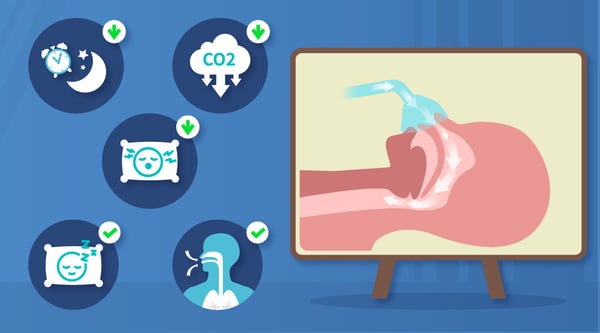
The core principle of a CPAP machine is to provide a steady stream of positive pressure airflow to prevent the airway from collapsing during sleep. When wearing a CPAP mask, the machine continuously delivers pressurized air into the airway through the nasal cavity or oral cavity. This pressurized airflow keeps the airway open and prevents obstruction, thereby avoiding the occurrence of apneic events.
Why Does CPAP Improve Obstructive Sleep Apnea (OSA)?
CPAP helps people with Obstructive Sleep Apnea (OSA) improve their sleep in the following ways:
Keeping the Airway Open:
The main problem for patients is that the airway collapses during sleep, leading to apneas. The CPAP machine continuously delivers pressurized airflow to keep the airway open and prevent collapse, thereby avoiding the occurrence of apneic events.
Improving Oxygen Supply and Reducing Carbon Dioxide Buildup:
When the airway remains clear, oxygen can smoothly enter the lungs and be supplied throughout the body via the bloodstream, reducing the risk of nighttime hypoxemia. In addition, the carbon dioxide produced by the body's metabolism can be exhaled smoothly, reducing the accumulation of carbon dioxide in the body.
Reducing the Number of Arousals:
Patients often wake up frequently due to apneas, which severely disrupts the sleep architecture and leads to daytime sleepiness and fatigue. The CPAP machine prevents apneas, allowing patients to maintain stable sleep throughout the night and reducing the number of arousals.
Improving Sleep Quality:
By preventing apneas and keeping the airway open, the CPAP machine enables patients to enter deeper stages of sleep, such as Rapid Eye Movement (REM) sleep and deep sleep, which is very important for restoring physical and mental energy.
Reducing Snoring:
Patients are usually accompanied by severe snoring, which affects not only their own sleep but also their partner's. The CPAP machine can reduce or eliminate snoring, allowing both parties to have better sleep quality.
The Benefits of CPAP Treatment for Severe Sleep Apnea
Severe sleep apnea is classified based on the total number of apneas and hypopneas that occur per hour of sleep, which is called the Apnea-Hypopnea Index (AHI). According to the AHI value, the severity of sleep apnea can be divided into three levels:
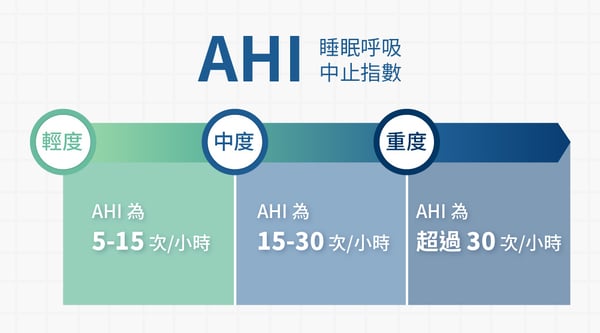
Imagine patients with severe sleep apnea experiencing more than 30 apneas every hour of sleep—how serious that is for their health! Because severe sleep apnea poses a serious threat to health, long-term hypoxia is significantly associated with the risk of cardiovascular diseases such as hypertension, heart disease, and stroke. It also leads to excessive daytime sleepiness and reduced quality of life. Therefore, a CPAP machine can provide immediate improvement. Coupled with weight loss and lifestyle improvements, after reaching the weight loss goal, there is still a chance to get rid of the CPAP machine and switch to wearing an anti-snoring oral appliance (MAD)!
240813_BlogKV_1000x555px_03
Challenges of CPAP Treatment
Dryness and Discomfort:
Continuous pressurized air can dry out the mouth, nose, or throat, causing discomfort, inflammation, and even nosebleeds. Using a CPAP machine with a humidification function can help solve these problems. For example, some people add sterile distilled water to the machine to make the air moister.
Mask Discomfort:
The CPAP mask must fit tightly against the face, which may cause pain or discomfort, especially for those unable to adapt to having a foreign object on their face while sleeping.
Claustrophobia:
Some people feel trapped and uncomfortable after putting on the CPAP mask. Gradually getting used to the mask can help alleviate this feeling. For instance, you can wear the mask for short periods during the day and gradually increase the wearing time.
Low Compliance:
Although CPAP treatment is effective, most patients stop using it within the first year of treatment. Most of these problems are due to the difficulty of adapting to the feeling of wearing a mask while sleeping or feeling uncomfortable because the airflow is too strong.
What Other Treatment Options Can Be Combined With CPAP?
Anti-Snoring Oral Appliance
For people who have difficulty adapting to CPAP or are unwilling to use CPAP, an anti-snoring oral appliance is a viable alternative. The anti-snoring oral appliance, also known as a Mandibular Advancement Device (MAD), primarily works by moving the lower jaw forward to change the position of the tongue and the soft tissues of the throat, preventing soft tissue collapse during sleep. This keeps the airway open and reduces the occurrence of snoring and apneas. For severe sleep apnea patients, an anti-snoring oral appliance can be used in conjunction with CPAP. In the early stages, use the CPAP machine and follow the doctor's advice to start losing weight and improving your lifestyle; in the later stages, there is a chance you can switch to an anti-snoring oral appliance!
Further Reading: Is a CPAP Machine the Only Way to Treat Sleep Apnea? An Anti-Snoring Oral Appliance Might Be a More Ideal Alternative!
Sleep Posture Adjustment
Sleeping on the back (supine position) is the sleep posture most likely to trigger sleep apnea symptoms. When lying on the back, the tongue and soft palate are more prone to move backward and obstruct the airway, thereby exacerbating apneas and snoring. Therefore, it is very important for sleep apnea patients to avoid sleeping on their backs as much as possible. In contrast, sleeping on the side is considered an effective way to reduce sleep apnea symptoms. When sleeping on the side, the tongue and soft palate are less likely to move backward, and the airway is more easily kept open. Many experts recommend that patients sleep on their side, especially the left side, as this posture not only helps alleviate sleep apnea symptoms but is also beneficial for heart health and acid reflux.
Further Reading: Does Sleep Posture Affect Health? A Sleep Doctor Teaches You How to Sleep!
Surgery Options
For some severe patients who cannot be effectively treated by other methods, the doctor may tell you that surgery is an option. The most common surgeries performed in the ENT department are "Uvulopalatopharyngoplasty (UPPP)" or "Base of Tongue Surgery," which involves cutting away some of your uvula, soft palate, and tongue to reduce airway obstruction. Unfortunately, the prognosis for such surgeries is not good. Many patients who have had this type of surgery have very similar stories: extreme pain for the first month after surgery, inability to eat normally for about two months, and then finding that the surgery had little effect a year later.
Furthermore, if sleep apnea patients also have nasal polyps, deviated nasal septum, or other phenomena, it will lead to significant mouth breathing. In this case, neither CPAP nor an anti-snoring oral appliance (MAD) can be worn smoothly. Therefore, if medication is ineffective, treatment for nasal polyps will also be considered. Only after improving nasal airflow and establishing a nasal breathing passage can the treatment for sleep apnea achieve its best effect.
Further Reading: What If Nasal Sprays Can't Cure Nasal Congestion? A New Solution for Allergy Treatment!
Weight Management
Obesity increases the risk of Obstructive Sleep Apnea (OSA). Research indicates that a 10% increase in body weight makes the likelihood of developing sleep apnea six times higher. Therefore, for obese patients, the first thing to do is to lose weight, including adopting a low-calorie diet, increasing physical activity, making lifestyle changes, or considering medical treatment. Achieving a weight loss goal can also significantly improve the severity of sleep apnea!
Further Reading: The Miracle Little Blue Pen Everyone is Talking About—Saxenda
240813_BlogKV_1000x555px_04
How to Choose the Right CPAP Machine and Mask for You
The selection of a CPAP machine should be based on various factors to ensure comfort and effectiveness. The mask plays a significant role in the treatment, and personal characteristics such as age, gender, body size, and the shape of the face and nose may influence the choice of mask.
When choosing a suitable mask, the following questions should be considered:
- Do you have a beard? This may affect the seal of the mask.
- Do you breathe through your mouth while sleeping? If so, you may need to consider an oronasal (full face) mask.
- Do you frequently change positions while sleeping? If so, a nasal mask might not be very suitable as it has less stability.
- Do you have claustrophobia? This might make you feel extremely uncomfortable with certain masks.
These considerations are very important for finding a mask that fits well and does not cause air leaks! In addition, it is recommended that patients undergo a professional consultation with a sleep specialist and arrange a sleep test to understand the severity of their sleep apnea before choosing an appropriate treatment course. This allows for more targeted treatment. The doctor will provide customized treatment recommendations based on the test results.
Conclusion
Although CPAP treatment faces some challenges, for patients unable to adapt to CPAP, this article also provides alternative treatment options, such as anti-snoring oral appliances, to meet the needs of different patients. Through professional advice from sleep specialists combined with healthy lifestyle changes, we hope this article can become an important resource for OSA patients, helping them understand and choose the most suitable treatment methods, and actively participate in their own treatment process to achieve better health and quality of life.
References
- Peppard, P. E., Young, T., Palta, M., Dempsey, J., & Skatrud, J. (2000). Longitudinal study of moderate weight change and sleep-disordered breathing. JAMA, 284(23), 3015–3021. https://doi.org/10.1001/jama.284.23.3015
- https://www.ncbi.nlm.nih.gov/books/NBK482178/
- Cao, M. T., Sternbach, J. M., & Guilleminault, C. (2017). Continuous positive airway pressure therapy in obstuctive sleep apnea: benefits and alternatives. Expert review of respiratory medicine, 11(4), 259–272. https://doi.org/10.1080/17476348.2017.1305893
- Siccoli, M. M., Pepperell, J. C., Kohler, M., Craig, S. E., Davies, R. J., & Stradling, J. R. (2008). Effects of continuous positive airway pressure on quality of life in patients with moderate to severe obstructive sleep apnea: data from a randomized controlled trial. Sleep, 31(11), 1551–1558. https://doi.org/10.1093/sleep/31.11.1551
- Weaver, T. E., & Grunstein, R. R. (2008). Adherence to continuous positive airway pressure therapy: the challenge to effective treatment. Proceedings of the American Thoracic Society, 5(2), 173–178. https://doi.org/10.1513/pats.200708-119MG
The content is based on the professional experience of physicians. Results may vary depending on individual conditions. Please consult a healthcare professional for personalized medical advice.