Is Sleep Apnea Just Snoring? Leaving It Untreated Can Be Fatal!
Is It Really Good to Rely on Sleeping Pills or Sedatives to Improve Snoring?
Hongda, 55, is a senior executive at a company. The company operates stably, and he occasionally works overtime. His lifestyle is fairly normal, and he has an enviable good job.
But Hongda has a hidden worry: he has been troubled by poor sleep for years. Every day after work, he feels exhausted and completely drained. When he lies in bed wanting to get a good sleep, he finds that despite being extremely tired, he tosses and turns and just can't fall asleep!
Not only that, but his wife, who shares the bed with him, also suffers deeply. When her husband finally falls asleep, she is kept awake by his incredibly loud snoring. Seeing that the couple is on the verge of a breakdown and could erupt at any moment, Hongda hurries to a large hospital for help.
Initially unsure which department to visit for sleep apnea, after a referral and a series of diagnoses and tests by doctors, Hongda is informed that he suffers from sleep apnea and learns that he needs to wear a ventilator or undergo surgery. This raises another hidden concern in his heart.
When ordinary people experience the early stages of similar symptoms, they might choose to take sleeping pills or sedatives to solve the problem and fall asleep quickly.
Research shows: Frequent use of sleeping pills and sedatives does not improve sleep quality; instead, it causes chronic insomnia.
When the body develops a dependency on sleeping pills or sedatives, this poses an even greater fatal risk for patients with sleep apnea, so one must be extremely careful.
What is Obstructive Sleep Apnea?
Sleep apnea is divided into three types: obstructive, central, and mixed.
- Obstructive
- Central
- Mixed
What we are talking about here is the most commonly encountered type, obstructive sleep apnea. The English term for sleep apnea is Obstructive Sleep Apnea (OSA).
Obstructive Sleep Apnea refers to the temporary cessation of breathing during sleep due to the hypertrophic structures around the throat blocking the upper airway. This causes arterial blood oxygen (SpO2) to drop, the brain to experience immediate hypoxia, and eventually, the brain will suddenly jolt the person awake from sleep so the airway can function again.
How obstructive sleep apnea affects sleep is absolutely beyond our imagination. Imagine if this vicious cycle repeats hundreds of times a night—it not only prevents a person from getting a good rest at night but also causes symptoms during the day such as sleepiness, lack of concentration, anxiety, and irritability, and even chronic diseases like cardiovascular issues will quietly sneak up.
At this point, some might suddenly think of using sleeping pills or sedatives to save their sleep from the verge of collapse, but doing so would be a disaster! Because sleeping pills suppress breathing and lower the muscle reflexes of the throat, they actually exacerbate OSA symptoms, and in severe cases, can even lead to death from apnea during sleep.
A study by the National Defense Medical Center points out that when OSA patients take benzodiazepine drugs (common sedative-hypnotics, such as Diazepam), it may increase the risk of acute respiratory failure and lead to death.
Five Major Treatments for OSA
A survey by the Chang Gung Sleep Center found that the prevalence of sleep apnea among middle-aged people in Taiwan is about 3%, and snoring is as high as 52%. Leaving sleep apnea untreated can be fatal! So how should it be treated?
Weight Loss
Maintain regular routines and exercise, avoid smoking and drinking alcohol, and avoid sleeping pills and sedatives to maintain the muscle tone around the throat. Although this is a cliché and seems simple, it takes a lot of perseverance to maintain, but it is also the only non-invasive treatment that can cure OSA at its root!
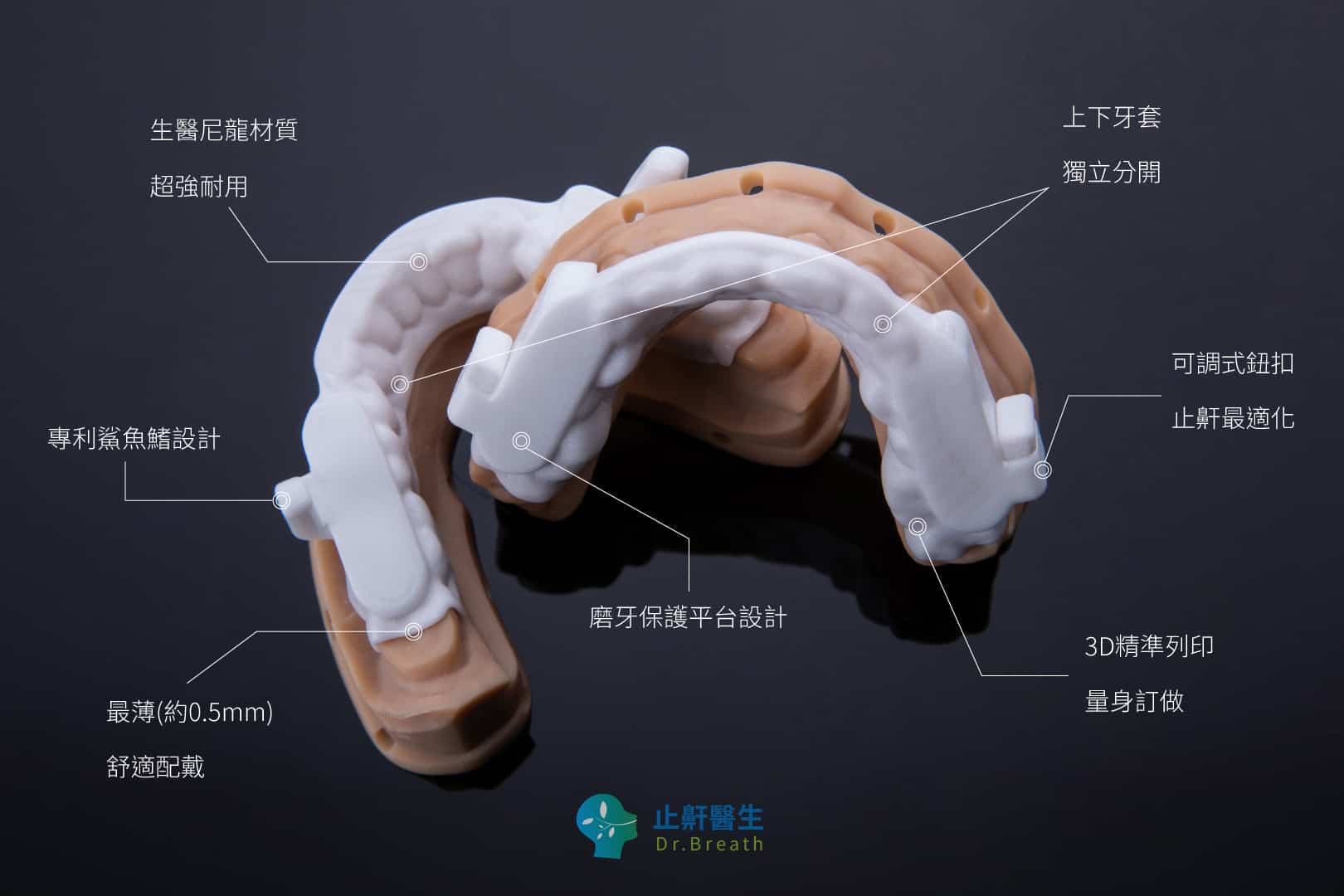
Anti-Snoring Oral Appliance
Patients with hypertrophy of the glossopharyngeal structures can wear a digital anti-snoring device to move the lower jaw slightly forward so the airway is no longer compressed. Up to 99% of patients effectively improve their OSA symptoms after using it.
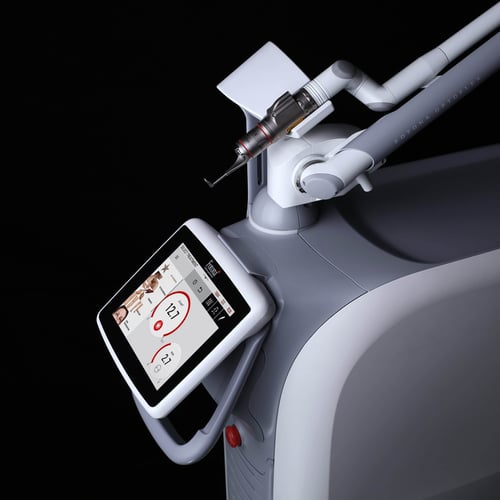
Anti-Snoring Laser
Using a low-energy, mild laser causes the oral mucosa in the soft palate and base of the tongue areas to contract. The advantage of laser therapy is that it improves OSA symptoms without the need to wear any equipment during sleep.
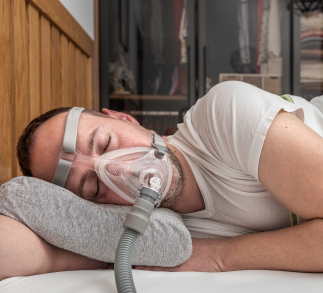
Continuous Positive Airway Pressure (CPAP)
Recognized as the first-line treatment for effectively improving OSA, but the disadvantage is that the equipment is bulky and uncomfortable, making patients resistant to wearing it or unable to wear it long-term.
Oropharyngeal Surgery
Mainly used for patients with severe OSA and craniofacial defects; patients with milder symptoms can consider surgery as a last resort.
Not wanting to wear a bulky ventilator or undergo surgery, Hongda did his homework online and found that an anti-snoring oral appliance seemed to be a good choice, but he still had a little bit of doubt: Can a simple oral appliance solve the sleep problem that has troubled him for years?
Finally, Hongda found recommendations for the Dr. Breath Sleep Apnea Clinic online, which had cured numerous patients with symptoms identical to his, igniting a glimmer of hope.
About Dr. Breath's Treatment
As soon as he stepped into the clinic, the doctor immediately noticed the obvious dark circles under Hongda's eyes, indicating a severe sleep problem.
Hongda told the doctor that he had been unable to get a good night's sleep. He often woke up in the middle of the night from his own snoring or was woken up by his wife. He had previously seen a psychiatrist, who only prescribed sleeping pills, but it never improved his condition.
The doctor immediately arranged a sleep apnea test (Home Sleep Test) and a CT scan of the upper airway for Hongda. AI data analysis showed that Hongda suffered from moderate sleep apnea, with an Apnea-Hypopnea Index (AHI) as high as 21 (normal value < 5), and found that he had an issue with enlarged glossopharyngeal structures.
For the first step of treatment, the doctor asked Hongda to stop taking sleeping pills and recommended he wear an anti-snoring oral appliance.
After following the doctor's treatment instructions, Hongda's sleep apnea improved significantly, his AHI returned to normal, and he regained the good sleep he hadn't had in a long time.
After revisiting sweet sleep, Hongda excitedly told the doctor: "Doctor, it's really been a long time since I slept so soundly. Thank you so much!" The anti-snoring oral appliance not only solved Hongda's sleep problem but also reconciled the couple and helped them regain their past sweet moments.
In fact, as long as people have the correct concepts about sleep apnea treatment, they don't have to run to various major hospitals and waste precious time to effectively and accurately cure OSA. We also urge OSA patients to avoid taking sleeping pills, find the right method, and receive correct diagnosis and treatment to help get a good night's sleep.
The content is based on the professional experience of physicians. Results may vary depending on individual conditions. Please consult a healthcare professional for personalized medical advice.