Long-Term Snoring is Associated with Atherosclerosis; Vibration Trauma Cannot Be Ignored!
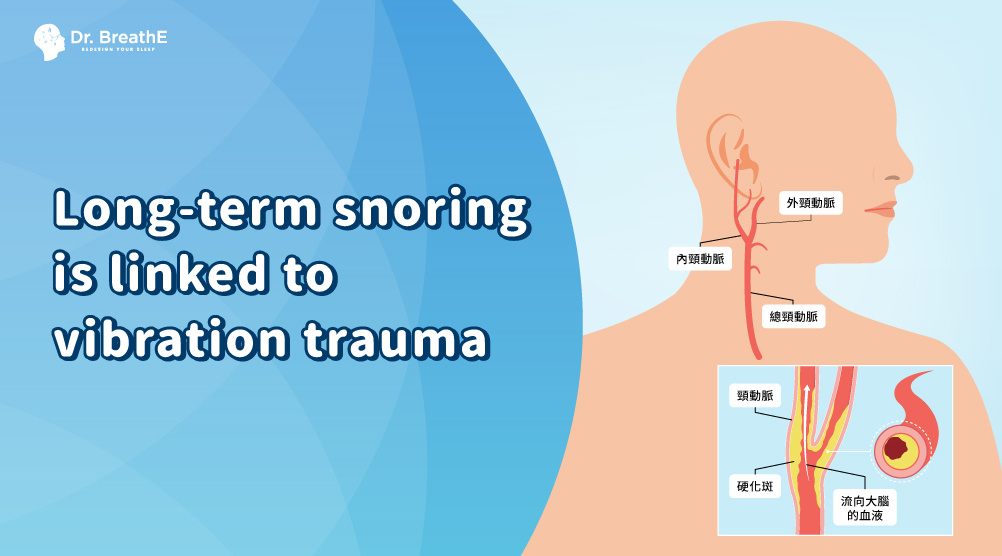
Snoring is a phenomenon that many people experience during sleep. Because it is so common, it is often considered normal and harmless. However, in reality, a healthy sleep state should be quiet and soundless; snoring is not a normal manifestation.
- Why do people snore?
- Not only people who snore have sleep apnea!
- Long-term snoring causes terrible throat wear---vibration trauma
- Swallowing reflex disorder, easily choking
- Chronic pharyngitis
- Voice becomes deeper
- Decreased airflow perception, breathing feels uncomfortable
- Snoring can damage carotid artery endothelial cells
- Vicious cycle factors aggravating cough
- Conclusion
Why do people snore?
Snoring: when we enter a state of sleep, the muscles that keep the airway open, such as the soft palate, uvula, and tongue, naturally relax. This relaxation is a normal physiological response. But for people with a narrow airway, the relaxed muscle tissue will cause the airway to become even narrower, thereby obstructing the normal flow of air. The occurrence of snoring is directly related to the increase in airway resistance. Under normal circumstances, the airway is unobstructed, and airflow can smoothly enter the lungs. However, when the upper airway becomes narrower, the resistance to airflow passing through increases, which causes the air to create turbulence as it passes through these narrow areas, thereby causing the surrounding tissues to vibrate.
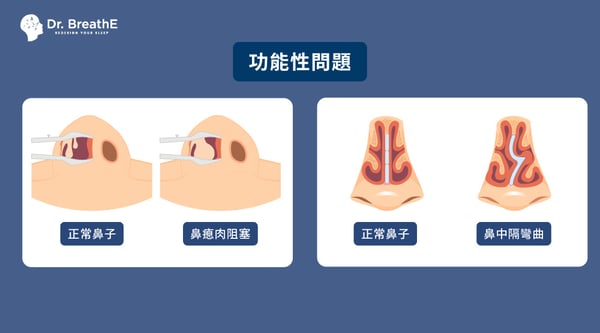
The causes of snoring are very diverse and can be divided medically into two main categories: structural and functional. Structural causes include anatomical abnormalities of the nasal cavity and throat. For example, problems such as a deviated nasal septum, nasal polyps, or chronic sinusitis can block the nasal cavity, making it difficult for airflow to pass through and forcing the patient to breathe through their mouth, which is more likely to trigger snoring. In addition, obesity is also an important structural factor because excess fat accumulates in the necks of obese individuals, applying pressure to the upper airway and causing it to narrow. The risk of snoring in obese individuals is much higher than in those of normal weight.
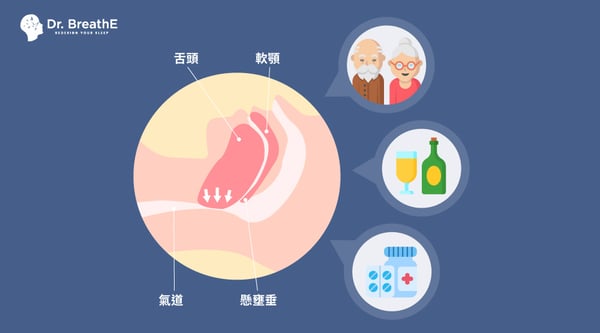
Functional factors involve the degree of muscle relaxation and airway stability. As age increases, throat muscles gradually lose tone, which increases the incidence of snoring. In addition, drinking alcohol, smoking, and certain medications (such as sedatives or sleeping pills) can cause the muscles of the throat and tongue to over-relax, further exacerbating the risk of airway collapse.
Sleeping posture is also a significant factor affecting snoring. When lying on the back (supine position), gravity causes the tongue to slide backward and block the airway, increasing the likelihood of snoring. Therefore, many experts recommend sleeping on the side, as this helps keep the airway clear and reduces snoring. Some patients even use special sleep pillows or posture adjusters to maintain a correct sleeping position.
Snoring is not a sign of sweet sleep; continuous and severe snoring may be an early warning sign of Obstructive Sleep Apnea (OSA). Sleep apnea is a relatively common and serious sleep disorder characterized by airway obstruction during sleep, leading to breathing pauses. Each apnea event causes a drop in blood oxygen, which in turn prompts the brain to send a signal forcing the patient to wake up briefly to breathe again. This repeated sleep interruption seriously affects sleep quality, leading to extreme daytime sleepiness, fatigue, lack of concentration, and memory decline. Even more seriously, sleep apnea is closely linked to multiple cardiovascular diseases, including an increased risk of hypertension, arrhythmias, coronary heart disease, and stroke. If patients with sleep apnea do not receive appropriate treatment, they may face severe health consequences in the long run.
Further Reading: Shortness of Breath May Not Just Be Anxiety; It Could Be the Heart Crying for Help!
Not Only People Who Snore Have Sleep Apnea!
When sleep apnea is mentioned, the first thing many people associate it with is loud snoring. Although snoring is indeed one of the classic symptoms of sleep apnea, not everyone with sleep apnea snores. In fact, the symptoms of sleep apnea are diverse, and the manifestations between men and women can differ, which causes many people to miss the opportunity for early diagnosis.
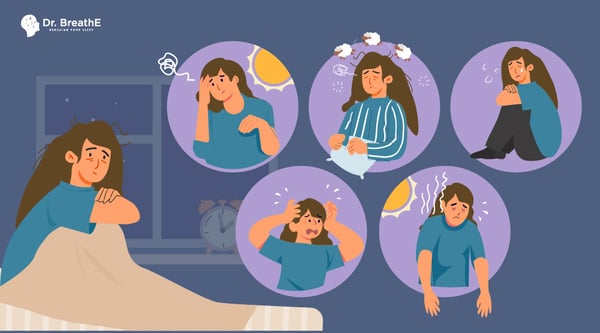
Research has found that the symptoms of sleep apnea in women may differ from the typical snoring. They often exhibit symptoms such as insomnia, morning headaches, depression, anxiety, and morning fatigue. Due to their atypical symptoms, women may be misdiagnosed with insomnia or depression, thereby ignoring the potential dangers of sleep apnea. Studies have also confirmed that even when women have similar sleep breathing problems, they are diagnosed with sleep apnea much less frequently than men. Another study pointed out that even though female patients may have a lower Apnea-Hypopnea Index (AHI) and milder symptoms, their quality of life may be more severely impacted. This shows that even patients without snoring symptoms or with fewer apneas can still suffer health problems due to sleep fragmentation and hypoxia. This diagnostic disparity not only delays treatment but can also put women at a higher health risk.
Long-Term Snoring Causes Terrible Throat Wear---Vibration Trauma
Long-term snoring may cause damage to the nervous system in the Upper Airway (UA). In recent studies, the neuropathic inflammation issues related to snoring and sleep apnea have increasingly gained attention. The low-frequency vibrations generated during snoring are considered a major cause of neuropathic damage to the upper airway. These vibrations constantly stimulate the muscle tissue of the upper airway, especially the palatopharyngeus muscle, leading to the damage and degeneration of nerve fibers. However, this continuous nerve damage will weaken the reflex dilation function of the airway muscles, increasing the risk of airway collapse and thereby triggering more severe sleep breathing disorders.
When a person continuously snores during sleep, the airflow passing through a narrow airway causes the tissues in the throat and pharynx to constantly rub and vibrate, much like a door opening and closing thousands of times in the night, which may ultimately lead to the wear and tear of these tissues. The degree of this damage increases with the frequency and intensity of snoring and may ultimately affect the normal function of the throat. The following are the mucosal damages caused by long-term snoring and four major problems it may bring:
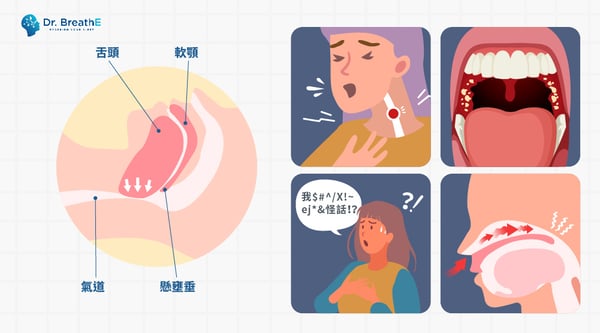
- Swallowing reflex disorder, easily choking Under normal circumstances, when a person swallows, the brain temporarily inhibits breathing to prevent food or saliva from entering the airway. But when the throat has sustained vibration trauma due to long-term snoring, the related nerve functions may be impaired, leading to swallowing reflex disorders. This makes people unable to effectively suppress inhalation after swallowing, thereby increasing the risk of choking.
- Chronic pharyngitis Repeated vibrations will subject the throat mucosa to long-term stimulation, leading to the occurrence of inflammatory reactions. Many snoring patients are therefore prone to developing chronic pharyngitis, and after a cold or other upper respiratory infection, they will experience persistent coughing that is difficult to cure. Long-term damage to the throat mucosa reduces the protective function of that area, increasing the risk of infection and inflammation. Therefore, patients who snore long-term often find that their post-cold cough lasts much longer than ordinary people's.
- Voice becomes deeper Due to the throat damage caused by long-term snoring, the patient's vocal cords will also be affected. Some long-term snoring patients may find their voices have become deeper, especially when speaking or singing; it is difficult to hit high notes. This is because the tissues surrounding the vocal cords become rough or inflamed from repeated vibrations, which affects the normal resonance and phonation capabilities of the voice. This situation not only affects daily speaking, but for groups that need to use their voices for work, such as singers or teachers, the voice problems triggered by snoring may have a major impact on their careers.
- Decreased airflow perception, breathing feels uncomfortable When the nerves in the throat area are damaged by vibration, the ability to perceive airflow will also be affected. Many patients will feel that their airway has become narrower, experience feelings of unsmooth breathing, or even feel "stifled." This is because repeated snoring vibrations damage the sensory capabilities of the airway mucosa, causing the patient to be unable to normally perceive the flow of air, which makes people feel short of breath and further exacerbates breathing problems during sleep.
The four situations mentioned above not only affect throat function individually but may also form a vicious cycle. When the throat is damaged by vibration, the patient's throat sensitivity increases, the cough reflex intensifies, which further stimulates the mucosa and leads to more inflammatory reactions. Over the long term, problems of coughing and throat discomfort will persist.
Research Shows: Snoring Can Cause Damage to Carotid Artery Endothelial Cells
Severe snoring may directly affect the health of the carotid arteries and lead to endothelial dysfunction, which is an early sign of atherosclerosis. Atherosclerosis causes plaque to form on the inner walls of the arteries, leading to cardiovascular disease or stroke. To explore the link between snoring and the carotid artery in more depth, researchers used rabbits in an experiment to simulate the effects of snoring vibrations on the carotid artery. In the experiment, 27 anesthetized rabbits were divided into two groups: one group was exposed to simulated snoring vibrations, and the other served as a control group. Researchers applied vibration to the right carotid artery (RCA) for 6 hours. The results showed that the endothelial function of the right carotid artery exposed to vibration was significantly affected.
Another study specifically explored how snoring-induced vibrations affect the inflammatory response of airway cells. The study used human bronchial epithelial cells to simulate snoring vibrations and found that prolonged vibration (12 hours and 24 hours) significantly increased the release of Interleukin-8 (IL-8).
Note: Interleukin-8 is an inflammatory cytokine closely associated with nerve injury and chronic inflammation. This suggests that the mechanical vibrations of snoring may cause long-term damage to airway tissues through an inflammatory response.
The frequency and energy of snoring also lead to an increase in Common Carotid Artery Intima-Media Thickness (CCA-IMT). CCA-IMT is an early marker of atherosclerosis. When the artery walls thicken, the risk of arteriosclerosis also rises. Research found that specific frequencies of snoring (such as 0-20 Hz and 652-1500 Hz) are associated with thickening of the carotid artery walls, which means that long-term snoring may have negative effects on vascular health. In this study, researchers analyzed the snoring sounds of 30 sleep apnea patients. The results showed that snoring frequencies, especially in the 652-1500 Hz range, have the strongest positive correlation with the thickening of the carotid artery walls. This indicates that snoring sounds originating from the throat or the base of the tongue may cause direct damage to the arteries located in the neck.
Vicious Cycle Factors Aggravating Cough
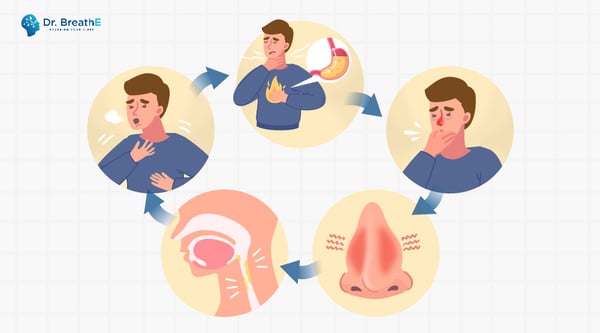
The continuous vibrations of snoring not only cause damage to the upper airway but may also become a vicious cycle factor for coughing. Chronic rhinitis and sinusitis aggravate gastroesophageal reflux. Patients with nasal congestion switch to mouth breathing, which leads to damage in the oral cavity and mucosa, making cough receptors and sensory nerves abnormally sensitive. Once they speak or experience postnasal drip, it easily triggers a cough.
Gastroesophageal Reflux also exacerbates chronic rhinitis and sinusitis. Even if stomach acid does not directly reflux into the nasal cavity, the gastroesophageal reflex can cause congestion and swelling in the nasal cavity, increasing airway secretions. This vicious cycle will eventually lead to inflammation and swelling of the throat, coupled with insufficient muscle tone during sleep and airway narrowing, triggering sleep apnea. The vibrations of snoring further damage the muscles and mucosa of the upper airway, weakening normal functions and exacerbating the cough reflex, forming a vicious cycle of coughing that is difficult to cure.
Further Reading: Coughing Constantly?! Do You Have Emphysema or Sleep Apnea?
Conclusion
In summary, snoring is not just a sound phenomenon during sleep; it can have profound impacts on health. The vibrations caused by long-term snoring damage the nerves and tissues of the upper airway, leading to chronic inflammation and other potential health problems. This situation not only aggravates breathing disorders but may further affect cardiovascular health. Since snoring is associated with many diseases, early treatment of sleep apnea is also very important for those who have a habit of snoring.
References
- Appleton, S., Gill, T., Taylor, A., McEvoy, D., Shi, Z., Hill, C., Reynolds, A., & Adams, R. (2018). Influence of Gender on Associations of Obstructive Sleep Apnea Symptoms with Chronic Conditions and Quality of Life. International journal of environmental research and public health, 15(5), 930. https://doi.org/10.3390/ijerph15050930
- Bouloukaki, I., Tsiligianni, I., & Schiza, S. (2021). Evaluation of Obstructive Sleep Apnea in Female Patients in Primary Care: Time for Improvement?. Medical principles and practice : international journal of the Kuwait University, Health Science Centre, 30(6), 508–514. https://doi.org/10.1159/000518932
- Poothrikovil, R. P., & Al Abri, M. A. (2012). Snoring-induced nerve lesions in the upper airway. Sultan Qaboos University medical journal, 12(2), 161–168. https://doi.org/10.12816/0003108
- Cho, J. G., Witting, P. K., Verma, M., Wu, B. J., Shanu, A., Kairaitis, K., Amis, T. C., & Wheatley, J. R. (2011). Tissue vibration induces carotid artery endothelial dysfunction: a mechanism linking snoring and carotid atherosclerosis?. Sleep, 34(6), 751–757. https://doi.org/10.5665/SLEEP.1042
- Shah, F., Franklin, K. A., Holmlund, T., Levring Jäghagen, E., Berggren, D., Forsgren, S., & Stål, P. (2019). Desmin and dystrophin abnormalities in upper airway muscles of snorers and patients with sleep apnea. Respiratory research, 20(1), 31. https://doi.org/10.1186/s12931-019-0999-9
- Lee, G. S., Lee, L. A., Wang, C. Y., Chen, N. H., Fang, T. J., Huang, C. G., Cheng, W. N., & Li, H. Y. (2016). The Frequency and Energy of Snoring Sounds Are Associated with Common Carotid Artery Intima-Media Thickness in Obstructive Sleep Apnea Patients. Scientific reports, 6, 30559. https://doi.org/10.1038/srep30559
The content is based on the professional experience of physicians. Results may vary depending on individual conditions. Please consult a healthcare professional for personalized medical advice.