What is Sleep Apnea? The Severe Hypoxia Crisis Behind Snoring!
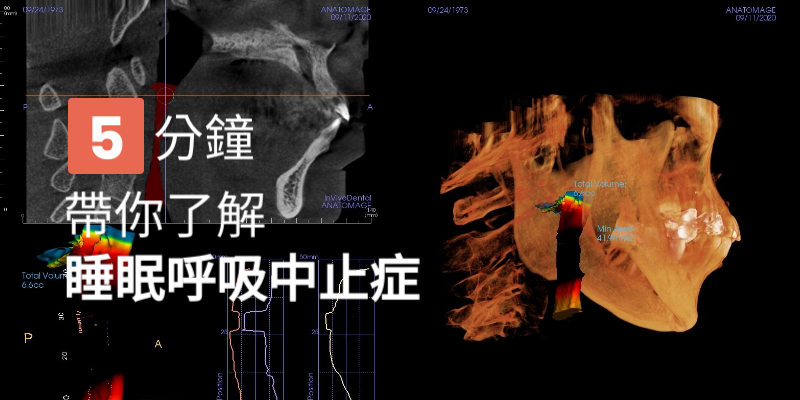
Sleep Apnea? The Common Hypoxia Crisis Is Right Beside You
Have your family members ever experienced any of the following troubles? 🤔
- Your bed partner's snoring is deafening, and there seems to be no better solution than sleeping in separate rooms?
- You fall asleep instantly every night and sleep until morning, but you often wake up feeling tired and rely on coffee to stay alert every day?
- You wake up feeling out of breath in the middle of the night? Choking or coughing?
- You grind or clench your teeth during sleep, waking up with cheek pain, swollen gums, and clicking sounds in your temporomandibular joint (TMJ)?
- Frequent nighttime urination (nocturia), light sleep, difficulty falling asleep, and chronic insomnia where you can only rely on sleeping pills to sleep 😱...
All the above symptoms belong to a broad category of common symptoms known as "Sleep Breathing Disorders." The hypoxia, inflammation, and autonomic nervous system dysfunction caused by long-term Sleep Apnea can evolve into severe insomnia and multiple comorbidities.
Sleep Breathing Disorders Are the Most Common Cause of Sleep Disturbances
The most common sleep disturbance is "Insomnia," accounting for about 50%; the second is "Sleep Apnea," accounting for about 40%.
According to a large-scale sleep screening study in Switzerland, among people aged 40-75, the prevalence of sleep apnea is as high as 83.8% in men and 60% in women. Furthermore, over 80% of them have never been diagnosed by a doctor (and never knew they had this disease).
Many factors contribute to most people ignoring what could be called the "National Disease of the 21st Century," including: a lack of public awareness and "illness awareness" regarding sleep apnea; non-sleep specialist doctors lacking sufficient diagnostic capability for sleep-related diseases; insufficient and inconvenient beds in hospital sleep centers; and limited available sleep solutions.
Moreover, traditionally, men are not eager to reveal their health conditions and are less willing to seek help or face health dilemmas. Many people also mistakenly attribute it to the natural phenomena of "getting older" or "recent high work stress," and over time, the problem is ignored. 😓
This article explores snoring and sleep apnea, letting you fully understand what sleep apnea is, its causes and symptoms, how to diagnose and treat it, the health hazards of delaying treatment, and its profound impact on your quality of life:
- What is Sleep Apnea?
- Causes and High-Risk Groups for Sleep Apnea
- Symptoms of Sleep Apnea and Its Impact on Health
- Types of Sleep Apnea
- How to Know if You Have Sleep Apnea?
- How is Sleep Apnea Diagnosed?
- What is the Basis for Assessing the Severity of Sleep Apnea?
- How to Treat Sleep Apnea?
- How Does Sleep Apnea Affect Me?
- When Should You See a Doctor to Diagnose and Treat Sleep Apnea?
- How to Improve Snoring and Sleep Apnea?
What is Sleep Apnea?
As the name suggests, sleep apnea occurs when breathing "stops" during "sleep," including sensations of difficulty breathing, breathing cessation, or forgetting to breathe in the middle of the night.
The most common symptom of sleep apnea is snoring, which is the sound produced by airflow passing through an obstructed airway (including the upper airway in the nasal cavity and throat). The normal breathing rate for an average person is 12-16 times per minute. If breathing stops or hypoventilation occurs more than 5 times per hour during sleep, it is medically defined as the disease "Sleep Apnea."
Many studies have also confirmed that sleep disorders are highly correlated with sleep apnea. Sleep apnea is also prone to triggering many "comorbidities," such as the common:
- Hypertension
- Atherosclerosis
- Diabetes
- Dementia
- Gastroesophageal Reflux
- Temporomandibular Joint (TMJ) Syndrome
These are all closely related to the body's long-term lack of good sleep and chronic inflammation caused by hypoxia.
Causes and High-Risk Groups for Sleep Apnea
Sleep apnea occurs because when a person is sleeping, the structures of the upper airway collapse and obstruct the airway, making the inspiratory airflow smaller or completely blocking air intake, causing a temporary cessation of breathing.
The causes and high-risk groups for sleep apnea can be divided into:
1. Arising from Anatomical Issues
- Allergic Rhinitis: Taiwan's humid climate makes allergic rhinitis common. According to statistics, about 60% of children and over 30% of adults in Taiwan have long-term chronic allergic rhinitis.
In my clinical practice, I have encountered many adults and children who do not even realize their noses are blocked but continuously act as "mouth breathers." Allergies cause nasal mucosal congestion, increasing nasal airway resistance and leading to breathing difficulties, especially when lying flat at night.
Think about it: don't you sleep particularly poorly when you have a cold and a runny nose? Long-term chronic inflammation will eventually distort nasal tissues, leading to nasal mucosal hyperplasia and the formation of "nasal polyps" or a "deviated nasal septum."
- Deviated Nasal Septum: Most people have a slight deviation, but severe cases will compress the turbinate on the affected side, resulting in smaller and unsmooth breathing airflow.
- Turbinate Hypertrophy: Long-term allergic rhinitis easily causes turbinate thickening, turning into "inferior turbinate hypertrophy." Nasal congestion becomes even more severe, ultimately forcing the person to breathe through the mouth.
Mouth breathing leads to even more oral and craniofacial developmental issues, such as open bite, underbite, crowded teeth, narrow dental arches, and tongue muscle function problems (reverse swallowing). This, in turn, affects the airway, making it narrower and creating a vicious cycle.
- Obesity: Obesity and sleep apnea have a high positive correlation.
A BMI over 25 increases the chances of sleep apnea. Increased fat not only leads to an enlarged tongue that compresses the airway behind it but a large belly also creates higher abdominal pressure, squeezing the stomach and causing Gastroesophageal Reflux Disease (GERD), which corrodes the fragile airway, making it narrower.
In addition, the metabolic syndrome associated with obesity can exacerbate sleep apnea.
- Thick Neck Circumference: Men with a neck circumference over 17 inches and women over 16 inches are high-risk groups because increased neck fat compresses the airway, making it narrower.
- Adenoiditis or Tonsillitis
- Enlarged Uvula, Hyperplastic Soft Palate
- Oral and Maxillofacial Deformities: A retruded upper jaw or a small lower jaw easily leads to the narrowing of the airway behind it.
- Hypothyroidism: Thyroid hormones help with muscle tissue control. When thyroid hormones are low, muscle control decreases.
2. Poor Lifestyle Habits
- Smoking: Harmful substances in cigarettes irritate the upper airway, easily causing swelling and inflammation of the respiratory tract, preventing the nasal cavity from being unobstructed.
- Drinking Alcohol: Alcohol relaxes people and simultaneously reduces the muscle tone in the throat, leading to airway obstruction. Alcohol also suppresses the natural arousal reflex, increasing the frequency or duration of apneas and making the body's hypoxia problem more severe. Many people with sleep problems rely on alcohol long-term to help them sleep, which is actually a self-destructive approach.
- Taking Sleeping Pills or Sedatives: Like alcohol, many people with sleep problems rely on medication to fall asleep long-term. However, if they fail to realize that the underlying cause of poor sleep quality or difficulty falling asleep is airway obstruction, taking sleeping pills instead hides the real problem (hypoxia) and makes the condition more severe.
- Lack of Exercise: Lack of exercise leads to a lack of strength, especially in the lower limb muscles, indirectly leading to poor fluid circulation in the lower body. When lying down at night, the fluid in the lower limbs easily causes edema in the upper airway, exacerbating airway problems.
Symptoms of Sleep Apnea and Impact on Daily Life: Excessive Daytime Sleepiness
Common Symptoms of Obstructive Sleep Apnea (OSA)
- Continuous or intermittent snoring (Snoring): Disturbing the bed partner's sleep (difficult to realize oneself, needs to be noticed by the bed partner).
- Loud breathing sounds during sleep, unsmooth breathing, breathing pauses, choking in the middle of sleep (difficult to realize oneself, needs to be noticed by the bed partner).
- Dreaming frequently, light sleep, nightmares.
- Teeth grinding or clenching.
- Feeling unrefreshed, fatigued, lacking energy, listless, Excessive Daytime Sleepiness.
- Dry mouth upon waking: This is mostly related to mouth breathing.
- Attention Deficit Hyperactivity Disorder (ADHD): About half of hyperactive children may be misdiagnosed; the underlying cause is actually sleep apnea.
- Frequent Nighttime Urination (Nocturia).
- Body twitching, flailing limbs, sleepwalking.
- Headaches, dizziness, vertigo, tinnitus.
- Decreased attention, memory loss.
- Poor work performance, slowed reaction times (Decreased attention).
- Poor emotional control, irritability, bad temper.
- Gastro-esophageal Reflux: Often appears together with OSA; treating OSA can simultaneously improve gastroesophageal reflux.
- Impotence.
- Depression.
Types of Sleep Apnea
Sleep apnea can be divided into the following three types:
Obstructive Sleep Apnea (OSA)
The most common type; about 90% of sleep apnea patients fall into the obstructive category. OSA is usually caused by obesity or anatomical abnormalities of the upper airway. During sleep, tissues at the back of the throat collapse and block the airway, leading to snoring or temporary suffocation from breathing pauses.
Central Sleep Apnea (CSA)
Breathing stops usually due to abnormalities in the brain's central respiratory system caused by diseases or long-term use of ventilators, which prevents breathing movements from proceeding smoothly. This is a neurological issue, such as congestive heart failure or neurological diseases like Parkinson's disease. Patients have abnormal breathing patterns during sleep, which may speed up, slow down, or even pause.
Mixed Type Sleep Apnea
Breathing cessation caused by a combination of both obstructive and central factors.
How to Know if You Have Sleep Apnea?
You won't know it yourself! Because apneas happen during deep sleep stages!
Oriental populations inherently have narrower airways due to flatter facial profiles, resulting in an extremely high proportion of Obstructive Sleep Apnea (OSA). Coupled with Taiwan's hot and humid climate, the percentage of children with allergic rhinitis from a young age is very high. If orthodontic and airway issues (which are closely related) are not promptly corrected during the growth and developmental process, they become a high-risk group for OSA in adulthood.
It is estimated that at least over a million people in Taiwan have OSA. However, due to a long-term lack of health education and awareness, it is ignored by most doctors and the general public. You will definitely see OSA among the family members around you and me (including children or adults).
People with OSA won't know it themselves! (Because apneas happen during the "deep sleep" stage).
Therefore, parents or bed partners, please pay attention. If you have a family member who snores, you must learn how to check for signs of sleep apnea. Only you can help your family member discover the problem. Common characteristics of sleep apnea:
- Snoring or loud snoring during sleep Usually, patients with sleep apnea will not realize they snore. It is the bed partner who is awakened in the middle of the night and often notices the snoring getting louder. They might also notice breathing pauses, unsmooth breathing, choking, etc.
- Light sleep or difficulty falling asleep (Low Arousal Threshold type) Long-term OSA patients gradually develop a "Low Arousal Threshold," meaning they wake up or fall asleep easily, and also easily wake up startled or choking due to hypoxia from apneas, causing frequent interruptions during sleep and maintaining a state of light sleep.
- Often feeling tired after waking up Even if they can sleep through the night, they still lack energy, feel sleepy, groggy, and are in a bad mood upon waking up, to the point that work efficiency and focus decline, significantly affecting work and traffic safety.
- Gender and Weight Before the age of 50, the proportion of men with sleep apnea is much higher than that of women. However, after menopause, decreased female hormones will also increase the chances of OSA, gradually catching up with the proportion in men. In addition, being overweight, obese, and lacking exercise will further increase the risk of developing sleep apnea.
How is Sleep Apnea Diagnosed? Interdisciplinary Collaborative Medicine
Simple self-assessment involves using questionnaire rating scales, such as the Berlin Questionnaire or the Epworth Sleepiness Scale. Nowadays, the STOP-BANG questionnaire is more commonly used to self-assess the risk level of sleep apnea.
Clinically, the first step for a doctor to diagnose whether a patient has sleep apnea and its severity is to conduct a "Sleep Study." This can be divided into "Polysomnography (PSG)" and "Home Sleep Testing (HST)":
-
Polysomnography (PSG)
Taking a PSG test requires you to sleep overnight at a hospital sleep center. Monitoring equipment must be attached to your body to monitor multiple sleep indicators simultaneously, such as brain waves, electrocardiogram, heart rate, electrooculogram, breathing movements, blood oxygen saturation, and sleep posture. It can also detect light sleep, deep sleep, and Rapid Eye Movement (REM) sleep, evaluating sleep issues through this data.
-
Home Sleep Testing (HST)
You can use wearable sleep monitoring devices at home. Connected via Bluetooth or Wi-Fi, you can detect sleep data right in your own bed, including oral and nasal airflow indices, breathing movements, blood oxygen concentration, sleep quality, and heart rate variability. Compared to PSG, aside from being cheaper and more convenient, it can also monitor data changes over more days, and in the home environment, it is more likely to reflect the most realistic sleep condition and data.
What is the Basis for Assessing the Severity of Sleep Apnea?
Depending on the instruments and techniques used, sleep apnea also has variously defined indices. Traditionally, the most commonly used is the "AHI Index (Apnea/Hypopnea Index)," which represents the average number of apneas or hypopneas per hour during sleep. For adults, an AHI ≧ 5 indicates the presence of sleep apnea; for children, an AHI ≧ 1 indicates sleep apnea.
The American Academy of Sleep Medicine's classification for the severity of adult sleep apnea:
- Normal Breathing: AHI < 5
- Mild Sleep Apnea: AHI ≧ 5 ~ < 15
- Moderate Sleep Apnea: AHI ≧ 15 ~ ≦ 30
- Severe Sleep Apnea: AHI > 30
How to Treat Sleep Apnea?
The Era of Personalized Precision Sleep Medicine
Currently, treatments for sleep apnea still predominantly rely on Continuous Positive Airway Pressure (CPAP) or surgery. CPAP is an invention from 1980; although very effective for sleep apnea, there has been no major innovation for over 40 years. The discomfort of wearing it keeps its long-term acceptance rate low (mostly only severe patients use it). Meanwhile, the severe pain, long recovery period, high failure rate, and high recurrence rate of surgery make it a less than pleasant option.
Fortunately, due to technological advancements, "Personalized Precision Medicine" has gradually become the trend in modern sleep medicine. Because each patient's chief complaints, causes, anatomical structures, and complications are different, doctors should formulate a "personalized treatment plan" based on the severity of the sleep apnea and the patient's phenotyping. At the same time, adopting a "staged approach"—starting with less invasive options first and gradually guiding patients toward a healthy lifestyle—is the only way to truly improve the quality of life and health of sleep apnea patients.
For Patients with Mild to Moderate (AHI 5-30) Severity:
- Weight Loss
- Positional Therapy
- Quitting smoking, quitting alcohol, and reducing the use of sleeping pills or sedatives.
- Treating allergic rhinitis, such as using steroid nasal sprays, antihistamines, or nasal decongestants.
- Oral Myofunctional Therapy (OMT).
- Mandibular Advancement Device (MAD) or Tongue Retaining Device, commonly known as an anti-snoring oral appliance. There are many different designs of anti-snoring oral appliances, which need to be custom-made by a dentist with a background in airway treatment to avoid ineffective results.
For Patients with Severe (AHI >30) Severity or Unsuited for the Above Methods:
- Continuous Positive Airway Pressure (CPAP)
CPAP is a computer-controlled ventilator. Based on your face shape and needs, you can choose a customized full-face or nasal mask. Using a built-in motor, it generates positive airflow to pump air in, pushing open the blocked airway. However, because the machine and mask can be uncomfortable and make it difficult to turn over during sleep, the long-term compliance rate among patients is extremely low, despite its excellent effectiveness in improving sleep apnea.
- Bi-level Positive Airway Pressure (BiPAP)
- Negative Airway Pressure (iNAP)
- Surgery
When undergoing sleep apnea surgery, many people experience varying results after the operation, and there may also be recurrence issues.
Common Surgical Methods for Sleep Apnea
The choice of surgical procedure must be evaluated by a doctor based on the patient's condition. Available surgeries include:
- Uvulopalatopharyngoplasty (UPPP)
- Laser-assisted Uvulopalatoplasty (LAUP)
- Maxillo-mandibular Advancement: A type of orthognathic surgery.
- Transoral Robotic Surgery (TORS)
- Hyoid Bone Suspension
- Coblator Surgery
- Tonsillectomy and Adenoidectomy
- Hypoglossal Nerve Stimulation (HGNS)
How Does Sleep Apnea Affect Me?
Complications Arising from Sleep Apnea, Surgical Risks
Reduced Sleep Quality
Apnea leads to a decrease in oxygen concentration in the blood, thereby increasing the risk of physical health problems.
Physiological Diseases
- Cardiovascular Disease: Myocardial infarction (MI), Arrhythmia, Heart failure, Atherosclerosis, Hypertension, Stroke. Thus, sudden cardiac arrest leading to sudden death during sleep is also possible.
- Metabolic Disorders: Obesity, Type 2 Diabetes, Insulin resistance, or other hormonal imbalances.
- Eye Diseases: Because the oxygen concentration drops when breathing stops, the optic nerve will be damaged over time, increasing the risk of Glaucoma.
- Non-alcoholic Fatty Liver Disease (NAFLD).
Psychological and Mental Aspects
- Memory Decline: The brain suffers cognitive functional decline due to lack of sleep.
- Psychiatric Abnormalities: Anxiety, restlessness, depression, major depressive disorder, or insomnia.
Incidence of Accidental Risks
- Workplace or Traffic Accidents: Daytime sleepiness due to lack of energy makes it easy to have traffic accidents on the road or accidental injuries at work.
- Surgical Risks: During general anesthesia, if a patient is obese, has a short and thick neck, or a narrow airway, tracheal intubation will be more difficult. Coupled with reduced respiratory ventilation and unsmooth breathing, the recovery period from anesthesia will be extended, requiring special care and attention.
Physical and Mental Impact on the Bed Partner
- The patient snores too loudly, leading to frequent sleep interruptions and poor sleep quality.
- Marital discord, sleeping in separate rooms.
- Impotence and sexual dysfunction.
When Should You See a Doctor to Treat Sleep Apnea?
About 60% of men over 40 in Taiwan snore while sleeping, but most of them or their families do not know that snoring is a sign that there is already a problem with the airway. Sleep apnea not only has a great impact on oneself but also on the bed partner's sleep. Therefore, when the following symptoms appear, you should go to a sleep clinic for medical examination:
- Very loud snoring (can be heard through the bedroom door).
- Long-term snoring (mostly needs to be noticed by the bed partner).
- Breathing difficulties or breathing pauses in the middle of sleep (mostly needs to be noticed by the bed partner).
- Having enough sleep time but always feeling unrefreshed, fatigued, lacking energy, and having poor concentration.
- Dry mouth and sore throat upon waking up.
- Daytime headaches and dizziness making you unable to work or frequently causing accidents.
- The bed partner's sleep quality is disturbed.
How to Improve Snoring and Sleep Apnea?
Like most chronic diseases, the primary cause of sleep apnea is congenital disadvantages (anatomical abnormalities of the airway) combined with acquired imbalances (poor lifestyle habits). Therefore, besides actively treating structural airway issues, a healthy lifestyle has a crucial impact on improving long-term sleep apnea and its associated complications.
In terms of lifestyle improvements, the following methods are very helpful for improving snoring or sleep apnea:
- Weight Loss: 90% of obese individuals have sleep apnea. Research shows that losing 5-10% of body weight can effectively reduce the severity of OSA to mild or moderate. Mild and moderate OSA are easier to treat, and treatment options are more acceptable (such as an anti-snoring oral appliance rather than a CPAP machine). Weight loss can also improve other chronic diseases, especially metabolism-related diseases. Dr. Breathe's team can design personalized weight-loss plans based on patients' obesity issues, allowing patients to achieve their weight-loss goals more easily and sustainably.
- Quit smoking.
- Reduce alcohol consumption.
- Exercise.
- Sleep breathing management and tracking.
References:
- Clinical Practice Guideline for Diagnostic Testing for Adult Obstructive Sleep Apnea: An American Academy of Sleep Medicine Clinical Practice Guideline. PMID: 28162150 PMCID: PMC5337595
- Treatment options for obstructive sleep apnea. PMID: 29849228 PMCID: PMC5964869
- Obstructive Sleep Apnea and Cardiovascular Disease: A Scientific Statement From the American Heart Association. PMID: 34148375
- Comparison of a home sleep test with in-laboratory polysomnography in the diagnosis of obstructive sleep apnea syndrome. PMID: 35507020
The content is based on the professional experience of physicians. Results may vary depending on individual conditions. Please consult a healthcare professional for personalized medical advice.