What! Nocturia is Actually Sleep Apnea?!
Frequent Nocturia is So Annoying
Out of the 24 hours in a day, besides work, school, and leisure activities, the time spent sleeping probably accounts for almost one-third.
Sleep is an important and indispensable part of a person's day, but have you ever felt this way: often waking up startled in the middle of your sleep, with your sleep interrupted by the urge to go to the bathroom?
Nocturia: The International Continence Society (ICS) states that urinating more than 8 times a day, or running to the bathroom more than once in the middle of the night, is considered frequent urination.
Although there are hundreds of reasons for getting up to go to the bathroom at night, if the number of times you get up to go to the bathroom at night is too frequent, you have to be especially careful about whether there is a problem with your physical condition! Some people may have frequent urination problems without even knowing it.
Frequent Urination is Not Rare Among the Public, What Exactly is the Cause?
According to research by the National Taiwan University College of Medicine: about 18% of people in Taiwan have frequent urination, and for those over 65, the rate is as high as 39%.
Some men experience frequent nighttime urination because they drink too much water before bed, or perhaps due to sphincter relaxation, or maybe cardiovascular disease, and other factors. But you might ask: what on earth is the connection between frequent nocturia and sleep apnea?
What is Sleep Apnea?
Types of Sleep Apnea
- Obstructive Sleep Apnea (OSA)
- Central Sleep Apnea (CSA)
- Mixed Sleep Apnea (having both types)
The focus of this article will be on "Obstructive" Sleep Apnea, abbreviated as OSA. Usually, for people with OSA, "snoring" is often a precursor to the condition, but not everyone who snores has OSA.
Common Symptoms of Sleep Apnea Include
- Frequent nighttime urination (Nocturia)
- Thunderous snoring
- Headaches upon waking up
- Dry mouth and tongue when waking up in the morning
- Difficulty concentrating or sleepiness during the day
- Symptoms of breathing stopping during sleep, accompanied by gasping and sudden awakenings
Further reading: Snoring is Actually a Health Warning Sign? Never Ignore the Warning Sign of Snoring During Sleep!
Among these, the reason for frequent nighttime urination might be relatively difficult for most people to understand in relation to OSA. Here is a simple explanation: when people with OSA are sleeping, due to airway obstruction, they have to breathe forcefully. This not only causes loud snoring but also leads to a large negative pressure in the chest cavity.
This pressure induces the secretion of atrial natriuretic peptide, which in turn leads to a frequent need to urinate.
Frequent nocturia will interfere with sleep quality. Some patients may go to the bathroom 5 or 6 times a night, which is the main reason they feel unrefreshed, very tired, and sleepy during the day.
How is Sleep Apnea Diagnosed?
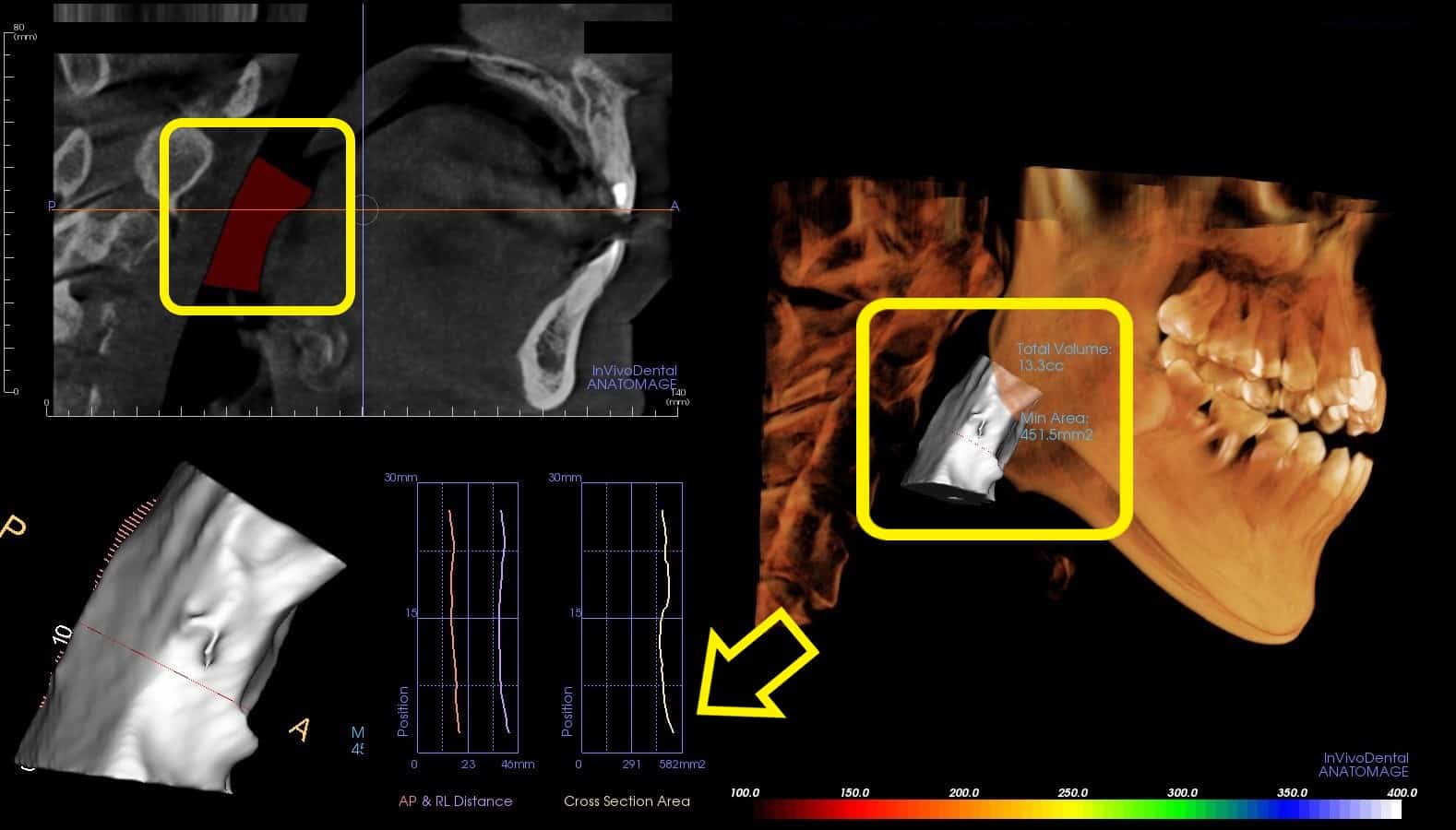
CT Scan of the Upper Airway
Through AI artificial intelligence analysis, the width of the upper airway is presented in 3D to identify the obstructed areas.
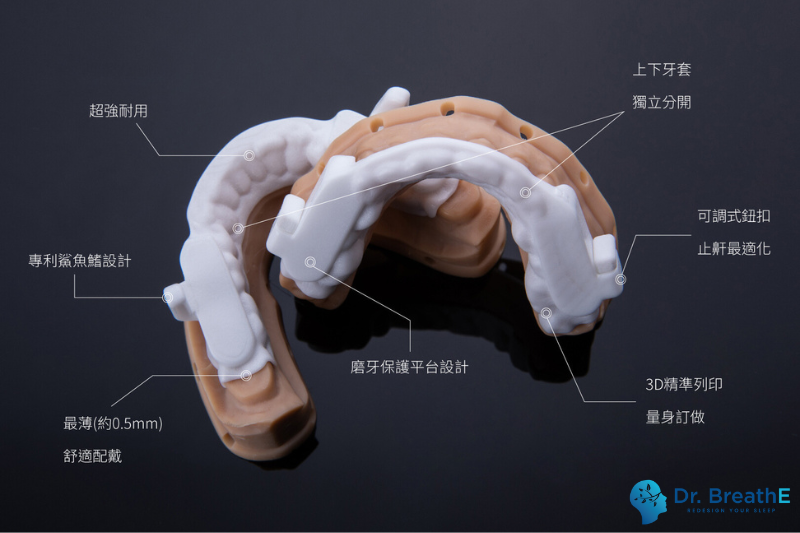
How to Treat It?
It can reduce snoring and alleviate sleep apnea, and for a small portion of patients, it can eliminate sleep apnea.
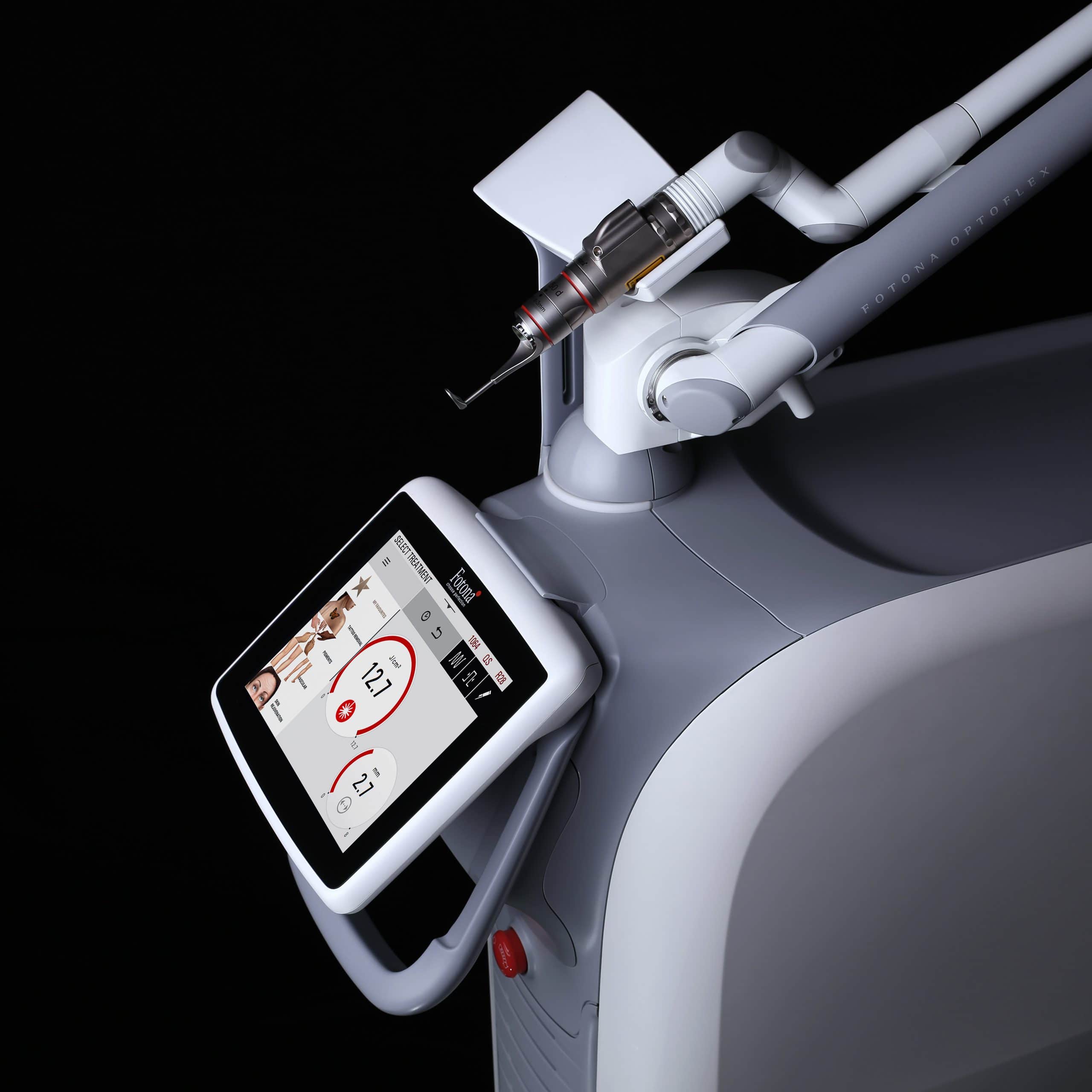
Fotona NightLase® is a non-invasive, low-energy laser therapy. The use of this device is very gentle and will not cause damage to the airway mucosal tissue, but it is powerful enough to effectively improve the patient's sleep quality.
Conclusion: If you find symptoms of sleep apnea, please do not ignore them. This is a crisis where, if you're not careful, you might end up saying hello to the Grim Reaper!!!
The content is based on the professional experience of physicians. Results may vary depending on individual conditions. Please consult a healthcare professional for personalized medical advice.